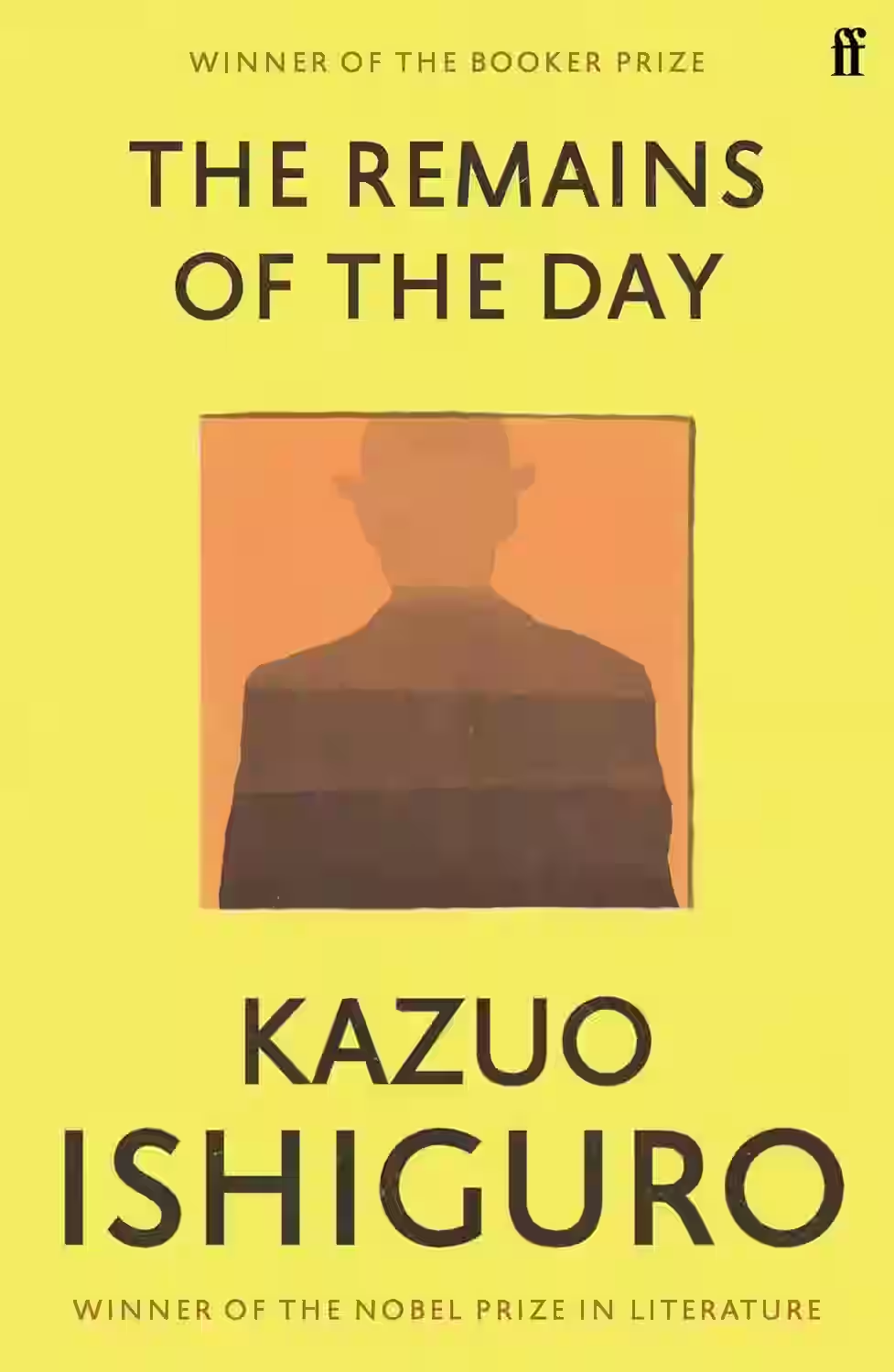
Winner 1989 Booker Prize: A tragic, spiritual portrait of a perfect English butler and his reaction to his fading insular world in post-war England. From the Nobel Prize-winning author of Never Let Me Go. In the summer of 1956, Stevens, the ageing butler of Darlington Hall, embarks on a leisurely holiday that will take him deep into the countryside and into his past . A contemporary classic, The Remains of the Day is Kazuo Ishiguro's beautiful and haunting evocation of life between the wars in a Great English House, of lost causes and lost love.
About Kazuo Ishiguro
A Nobel Prize-winning British author known for his subtle and emotionally resonant novels that often explore themes of memory, identity, and loss. Works like The Remains of the Day and Never Let Me Go are characterized by their understated prose, unreliable narrators, and profound exploration of human relationships and the passage of time. Ishiguro's nuanced storytelling has established him as a significant figure in contemporary literature.
Other Books by Kazuo Ishiguro
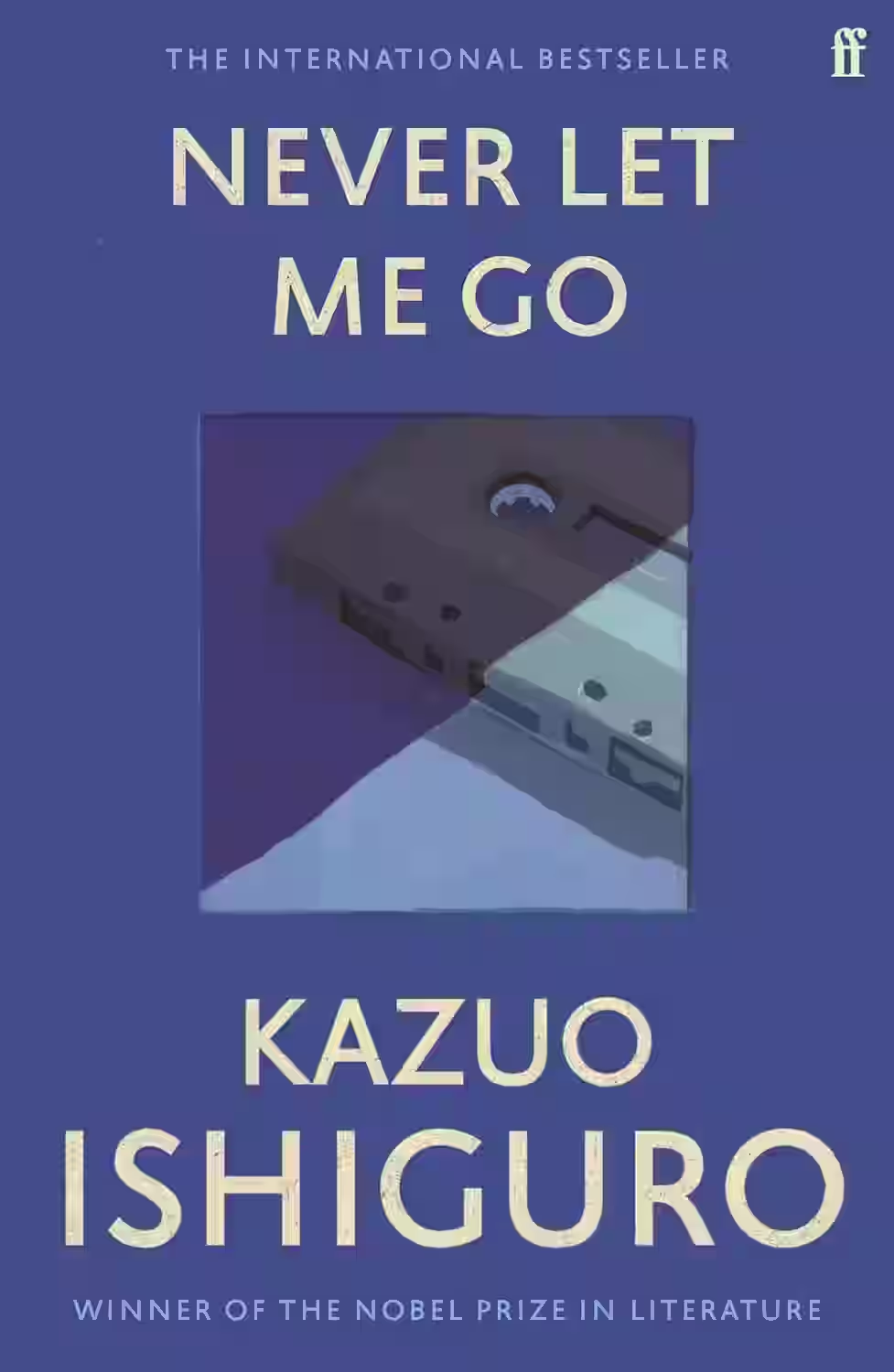
Never Let Me Go
In an English boarding school, students slowly discover they are being raised for a specific and disturbing purpose. As they grow up and fall in love, they must come to terms with their predetermined fate. The novel explores what it means to be human, the ethics of scientific advancement, and the power of love and friendship in the face of mortality.
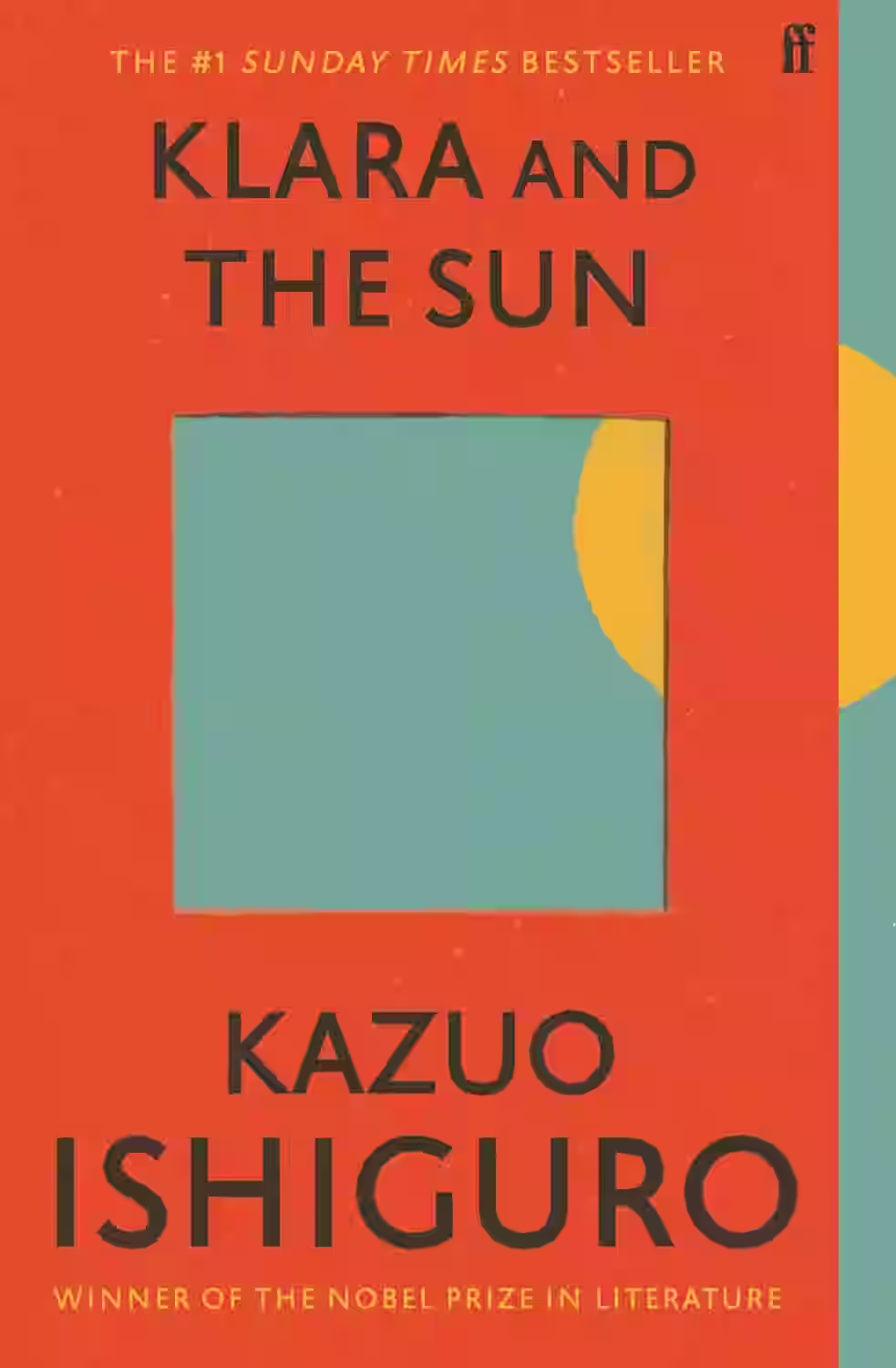
Klara And The Sun
From her place in the store, Klara, an Artificial Friend with outstanding observational qualities, watches carefully the behaviour of those who come in to browse, and of those who pass in the street outside. She remains hopeful a customer will soon choose her, but when the possibility emerges that her circumstances may change for ever, Klara is warned not to invest too much in the promises of humans.
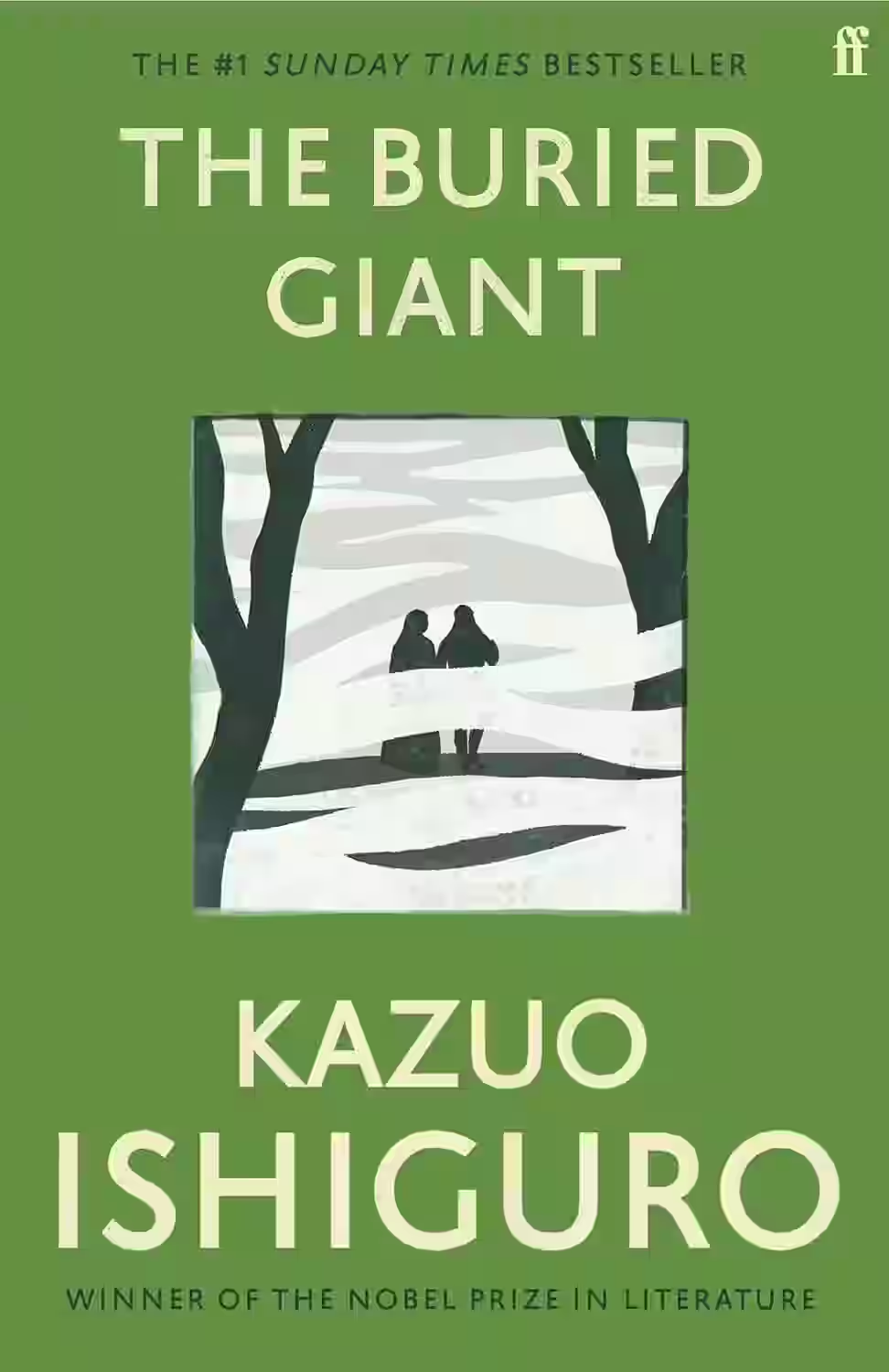
The Buried Giant
In 'The Buried Giant' by Kazuo Ishiguro, the reader is transported to a post-Arthurian Britain where a mist of forgetfulness blankets the land, obscuring memories and past grievances. The story follows an elderly couple, Axl and Beatrice, as they embark on a poignant journey to find their long-lost son. Along the way, they encounter various characters and unearth buried truths about their own relationship and the land's history. Ishiguro masterfully weaves themes of memory, love, and reconciliation into this atmospheric tale, prompting readers to contemplate the power of collective forgetting and the cost of remembering. A haunting and thought-provoking read.
Similar Books
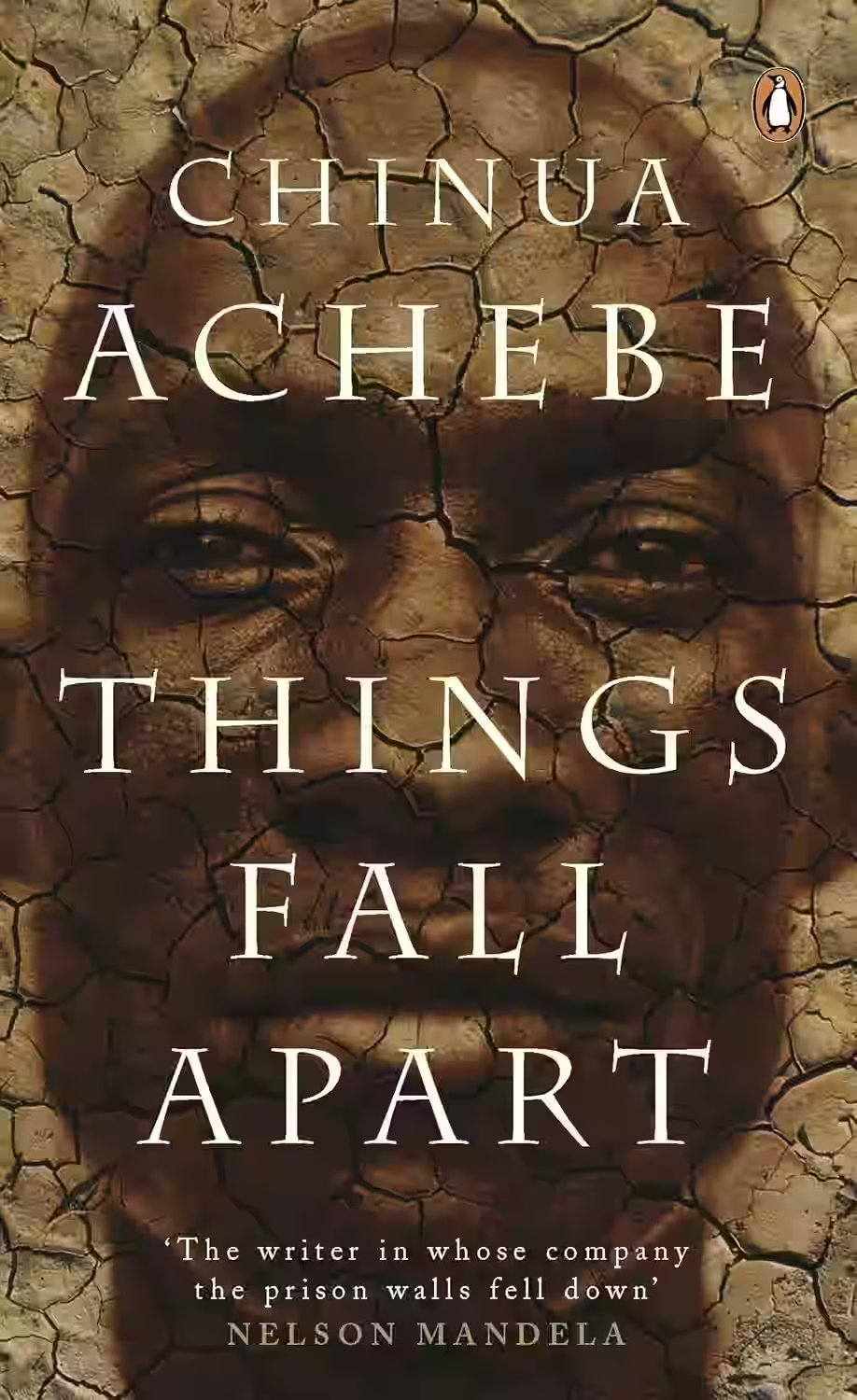
Things Fall Apart
Okonowo is the greatest warrior alive. His fame has spread like a bushfire in West Africa and he is one of the most powerful men of his clan. But he also has a fiery temper. Determined not to be like his father, he refuses to show weakness to anyone - even if the only way he can master his feelings is with his fists. When outsiders threaten the traditions of his clan, Okonowo takes violent action. Will the great man's dangerous pride eventually destroy him?
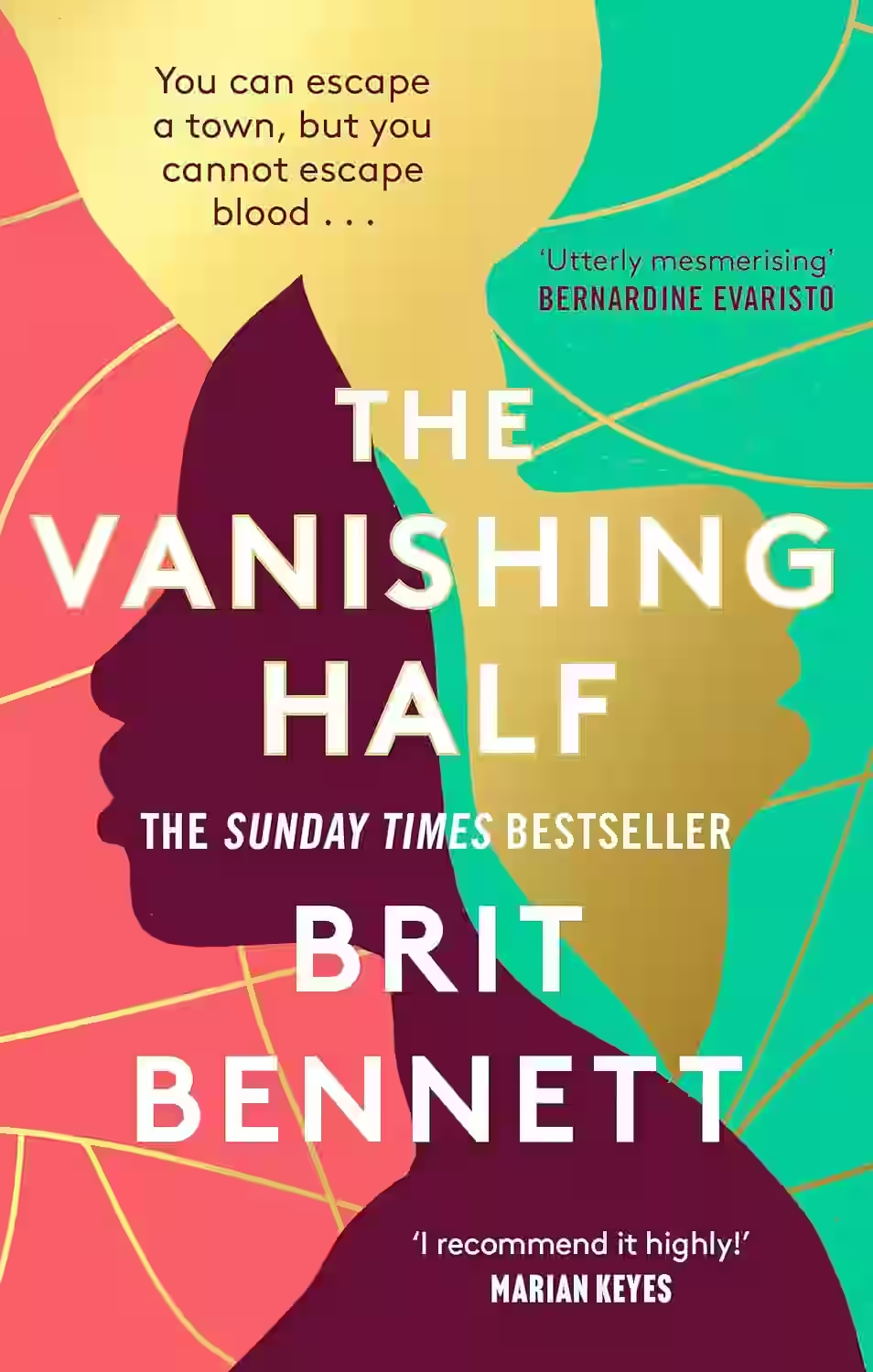
The Vanishing Half
by Brit Bennett
Twin sisters Desiree and Stella grow up in a small Southern Black community where light skin is prized. One eventually disappears to live as a white woman, severing ties with her past. Decades later, their daughters’ lives intersect, uncovering family secrets and confronting issues of race, identity, and generational legacy. The Vanishing Half is a powerful exploration of the choices that define us and the stories we inherit. With beautiful prose and emotional depth, Brit Bennett delivers a poignant, sweeping novel about passing, belonging, and the bonds of sisterhood.
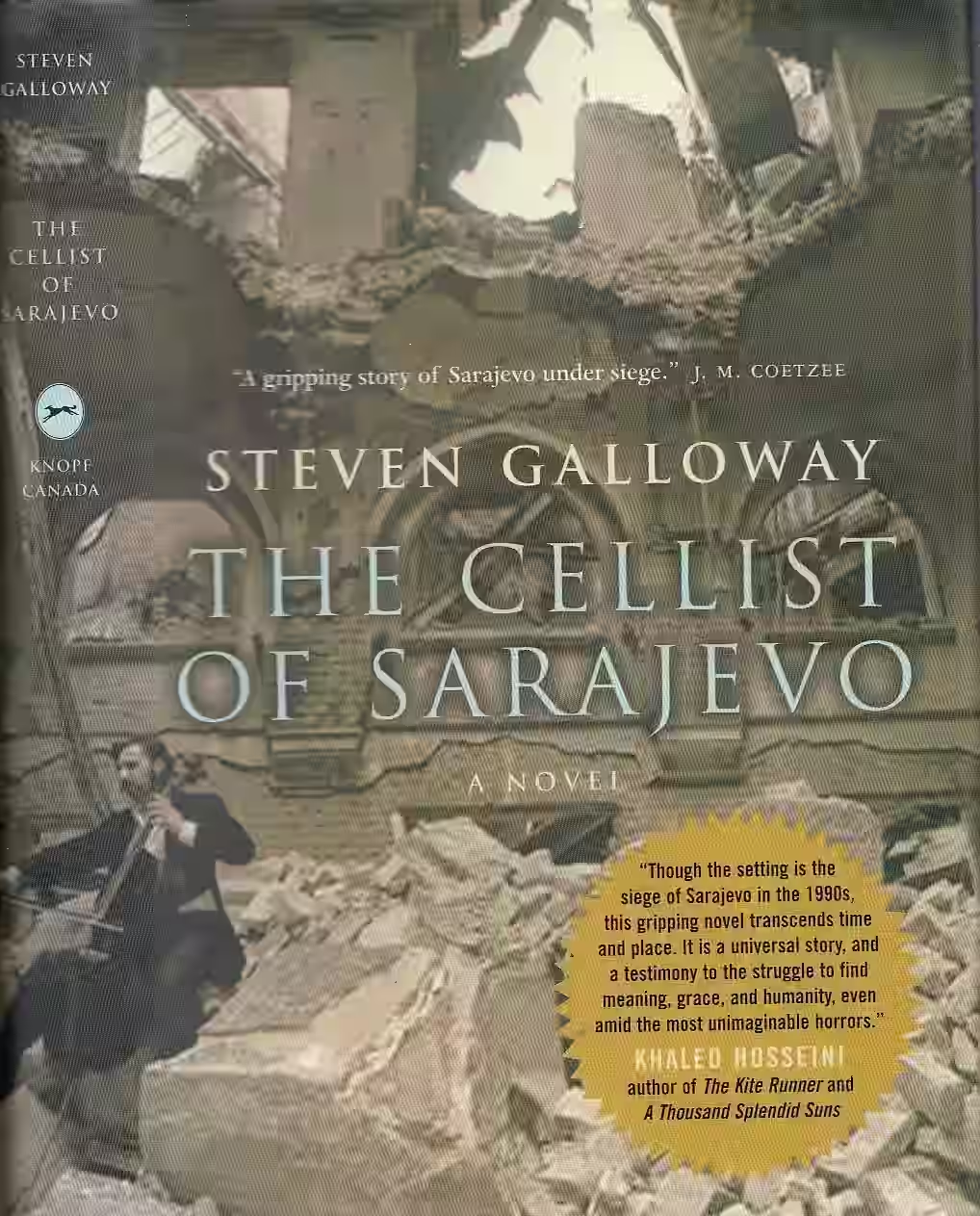
The Cellist of Sarajevo
Set during the siege of Sarajevo in the early 1990s, 'The Cellist of Sarajevo' by Steven Galloway is a poignant exploration of life under siege. The novel interweaves the lives of three characters—Dragan, Kenan, and Arrow—each struggling to preserve their humanity amidst the chaos of war. Their stories orbit around the figure of a cellist, who plays Albinoni's Adagio in the streets to commemorate the lives lost to a mortar attack. Galloway deftly captures the resilience of the human spirit, the impact of art in times of despair, and the simple acts of courage that shine through the shadows of conflict. The book's haunting prose and meditative tone create an indelible reflection on the moral choices faced in brutal circumstances.

Wolf Hall
Series: The Wolf Hall Trilogy (#1)
England in the 1520s is a heartbeat from disaster. If the king dies without a male heir, the country could be destroyed by civil war. Henry VIII wants to annul his marriage of twenty years and marry Anne Boleyn. The pope and most of Europe opposes him. Into this impasse steps Thomas Cromwell: a wholly original man, a charmer and a bully, both idealist and opportunist, astute in reading people, and implacable in his ambition. But Henry is volatile: one day tender, one day murderous. Cromwell helps him break the opposition, but what will be the price of his triumph?