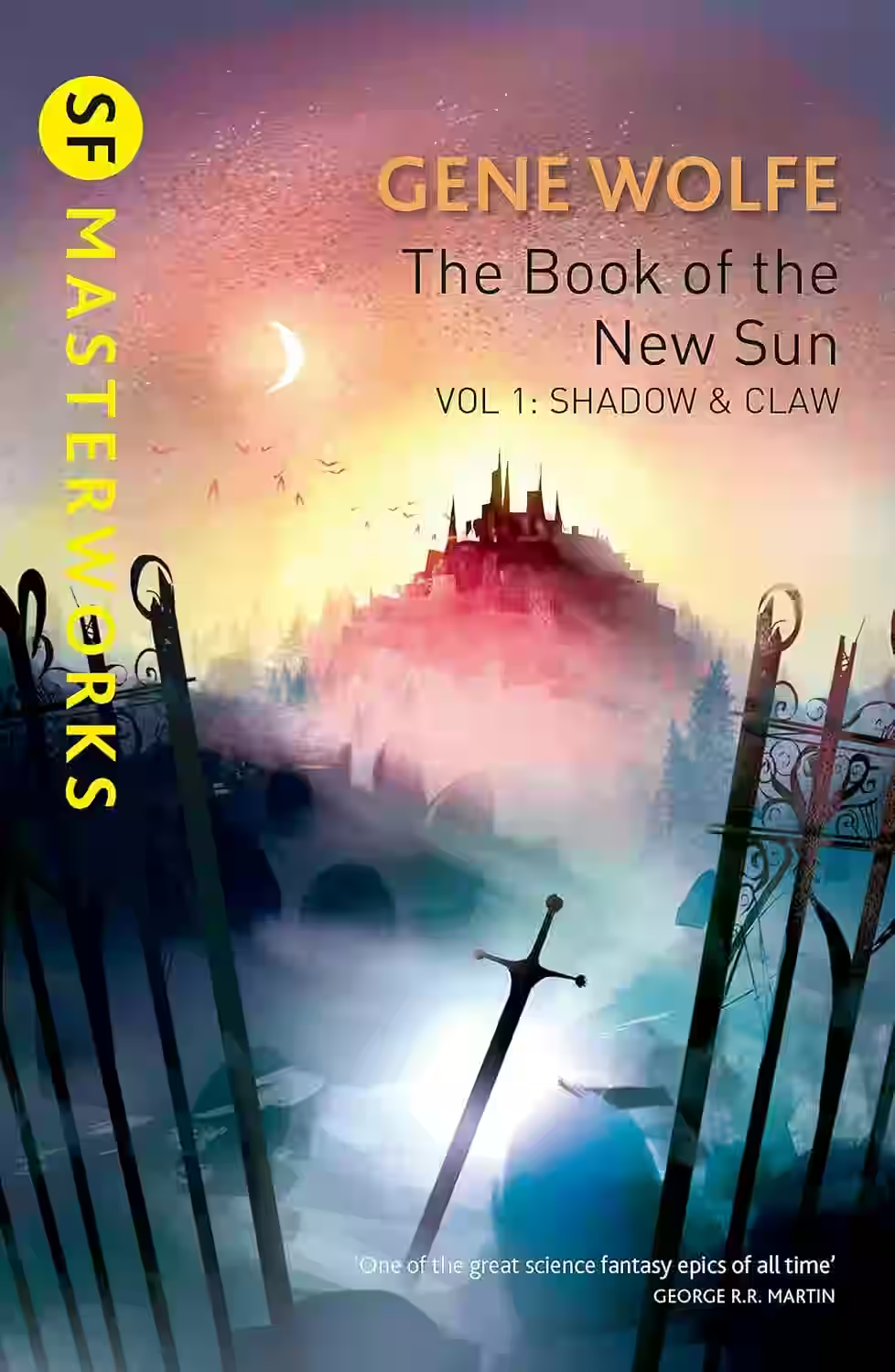
Immerse yourself in the intricate and mind-bending narrative of 'The Book of the New Sun' by Gene Wolfe, a science fiction masterpiece that challenges perceptions and transcends genre boundaries. Set in a distant future where Earth is a distant memory, follow the journey of Severian, a torturer with a complex moral compass, as he navigates a world filled with enigmatic characters, cryptic symbols, and ancient technologies. Through Wolfe's lyrical prose and labyrinthine plot, themes of memory, identity, power, and destiny are skillfully woven together, leaving readers questioning reality and pondering philosophical conundrums long after the final page. A must-read for fans of speculative fiction seeking a challenging and rewarding experience.
About Gene Wolfe
Gene Wolfe (1931-2019) was an American science fiction and fantasy writer known for his intricate storytelling and richly detailed worlds. Born in New York City, Wolfe's writing career spanned over five decades and earned him numerous accolades, including multiple Nebula and Locus Awards. His most renowned work, 'The Book of the New Sun' series, is celebrated for its complex narrative structure and profound exploration of themes such as memory, identity, and the nature of reality. Wolfe's writing style, characterized by its lyrical prose and philosophical depth, has had a lasting impact on the genre, cementing his place as one of the most influential figures in speculative fiction.
Similar Books
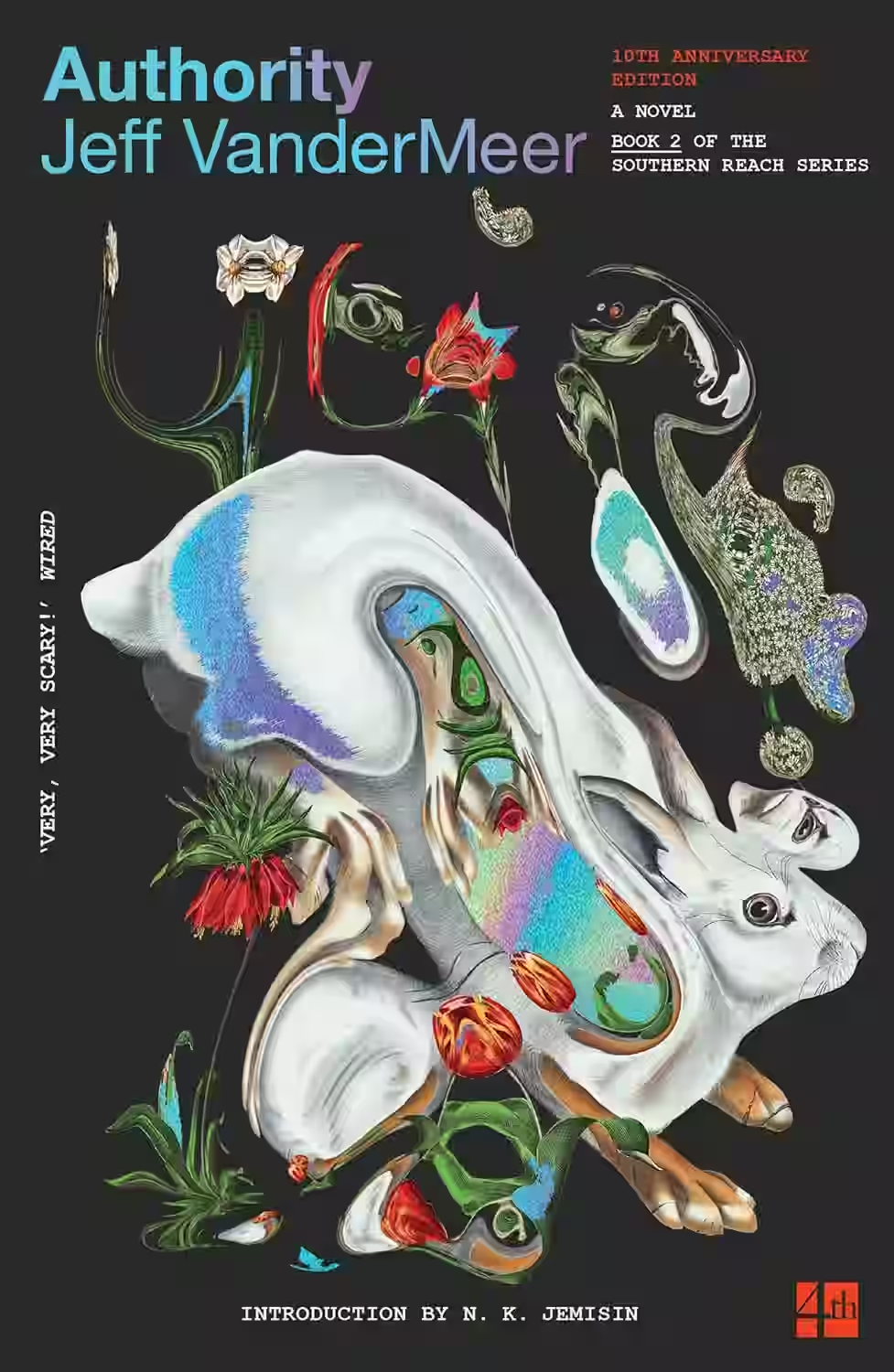
Authority
Series: Southern Reach (#2)
Authority, the second installment in Jeff VanderMeer's Southern Reach Trilogy, delves into the murky bureaucracies of the Southern Reach agency following the enigmatic events of Area X. Unlike the preceding novel, Annihilation, Authority shifts from the eerie, nature-laden wasteland to the confines of a government office, exploring themes of control, psychology, and the unknown. We follow John Rodriguez, alias 'Control,' as he battles personal demons and institutional secrecy while trying to uncover the mysteries of Area X. VanderMeer expertly creates a claustrophobic atmosphere through his rich prose, which seamlessly blends elements of psychological horror with a critique of institutional power, leaving readers both unsettled and intrigued.
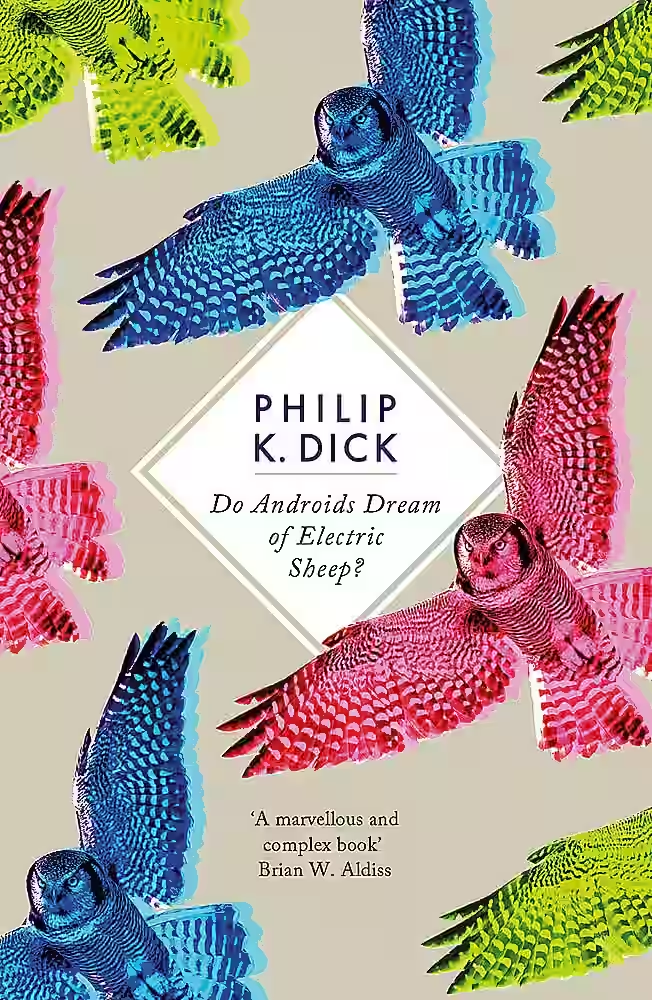
Do Androids Dream of Electric Sheep?
Philip K. Dick's "Do Androids Dream of Electric Sheep?" is a seminal work of science fiction that delves into the complexities of identity, empathy, and the boundaries between human and machine. Set in a post-apocalyptic future where Earth is scarred by nuclear fallout, the novel follows Rick Deckard, a bounty hunter tasked with 'retiring' rogue androids. As Deckard navigates this desolate world, he grapples with his own understanding of humanity, morality, and the distinction between artificial and organic beings. The novel explores themes of existentialism and the quest for meaning in an increasingly dehumanized society. Its influence extends beyond literature, having inspired the iconic film adaptation "Blade Runner," and it remains a compelling exploration of consciousness and the human condition.

The Candy House
Jennifer Egan's inventive sequel to "A Visit from the Goon Squad" explores the evolution of technology and its impact on human connection through interconnected narratives and experimental structures. It delves into themes of memory, consciousness, and the allure and potential pitfalls of shared digital experiences, showcasing Egan's signature stylistic innovation.
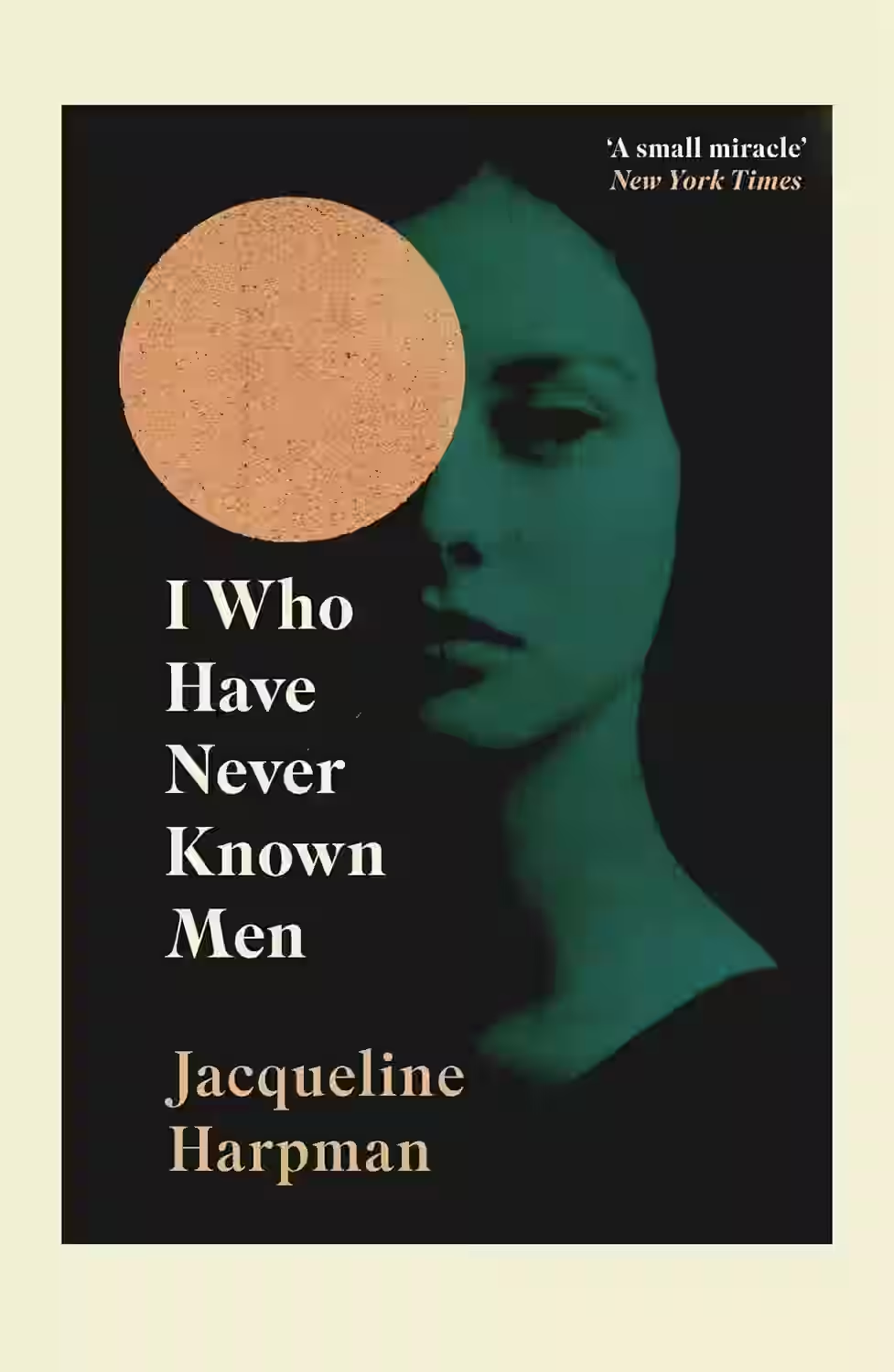
I Who Have Never Known Men
In Jacqueline Harpman's 'I Who Have Never Known Men,' we delve into a thought-provoking narrative following a group of women imprisoned in an underground bunker. The protagonist, a young woman named L, navigates the complexities of survival, freedom, and identity as she encounters the first man they have ever seen. The novel intricately weaves themes of power dynamics, autonomy, and societal constructs as the women explore their newfound reality. Harpman's writing is hauntingly beautiful, drawing readers into a world that challenges perceptions and questions the essence of humanity. 'I Who Have Never Known Men' is a compelling and introspective read that lingers in the mind long after the last page.