
In 'The 33 Strategies of War,' Robert Greene masterfully dissects the timeless tactics employed by history's greatest military leaders, politicians, and thinkers. Drawing examples from Sun Tzu, Napoleon, and others, Greene offers a comprehensive guide to navigating the complexities of conflict and power dynamics in both personal and professional spheres. Each strategy is meticulously explained and accompanied by vivid historical anecdotes, making this book an engaging and enlightening read for those seeking to outmaneuver opponents and achieve their goals effectively. Greene's unique blend of history, psychology, and strategy provides readers with a thought-provoking exploration of the dynamics of power and warfare.
About Robert Greene
An American author known for his controversial and influential books on strategy, power, and seduction, drawing on historical examples and philosophical insights. Works like The 48 Laws of Power and The Art of Seduction offer often amoral perspectives on how to acquire and maintain influence. Greene's provocative ideas and historical analysis have made him a popular figure in business and self-help circles.
Other Books by Robert Greene
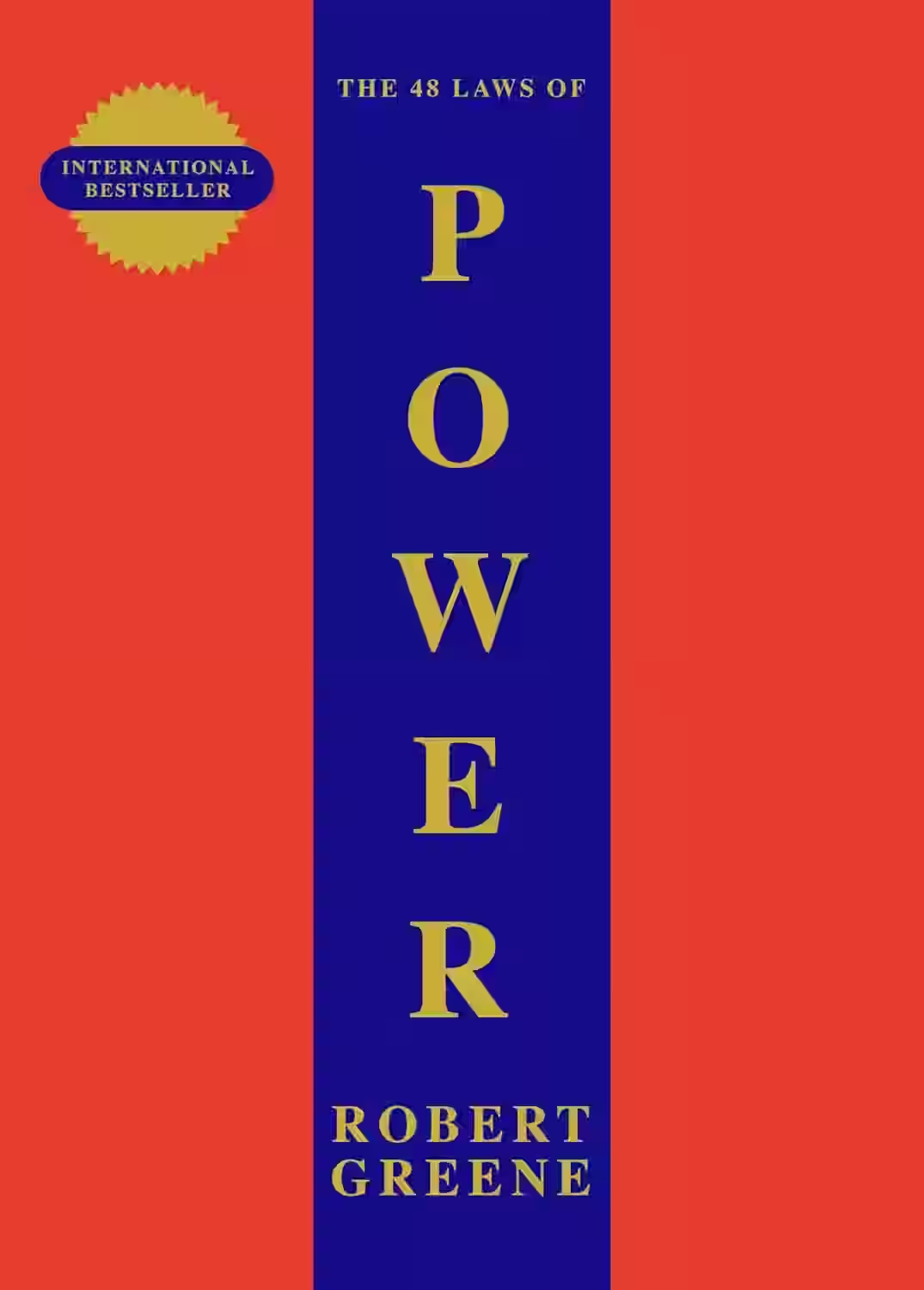
The 48 Laws Of Power
In this huge international bestseller, the 48 laws are illustrated through the tactics, triumphs and failures of great figures from the past who have wielded - or been victimised by - power. The perfect book for the power hungry (and who doesn't want power?). At work, in relationships, on the street or on the 6 o'clock news: the 48 Laws apply everywhere. For anyone with an interest in conquest, self- defence, wealth, power or simply being an educated spectator, The 48 Laws of Power is one of the most useful and entertaining books ever. This book 'teaches you how to cheat, dissemble, feign, fight and advance your cause in the modern world.' (Independent on Sunday) The distilled wisdom of the masters - illustrated through the tactics, triumphs and failures from Elizabeth I to Henry Kissinger on how to get to the top and stay there. Wry, ironic and clever, this is an indispensable and witty guide to power.
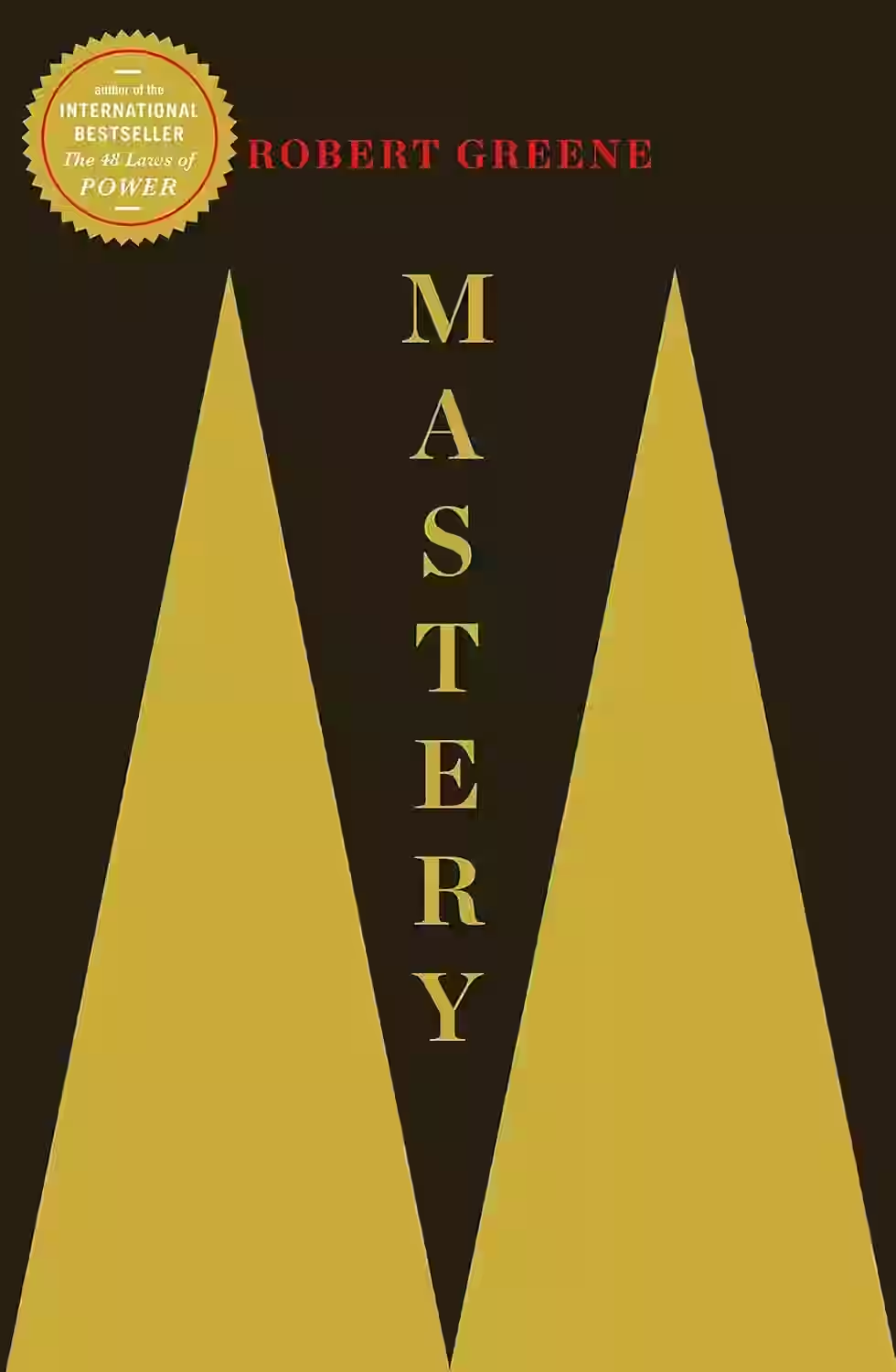
Mastery
Robert Greene examines the paths of historical figures and contemporary experts to uncover the principles of achieving mastery in any field. He outlines a process involving apprenticeship, practice, and innovation, emphasizing the importance of perseverance.

The Art of Seduction
In 'The Art of Seduction,' Robert Greene delves into the intricate and often controversial world of seduction. Through historical anecdotes and psychological insights, Greene offers a guide to mastering the art of seducing others, whether for personal or professional gain. The book explores different seductive archetypes, strategies, and pitfalls, providing readers with a comprehensive understanding of power dynamics and human behavior. While some may find the content manipulative, Greene's work prompts introspection and critical thinking about our social interactions. 'The Art of Seduction' challenges conventional norms and offers a fresh perspective on the complexities of seduction in various relationships.
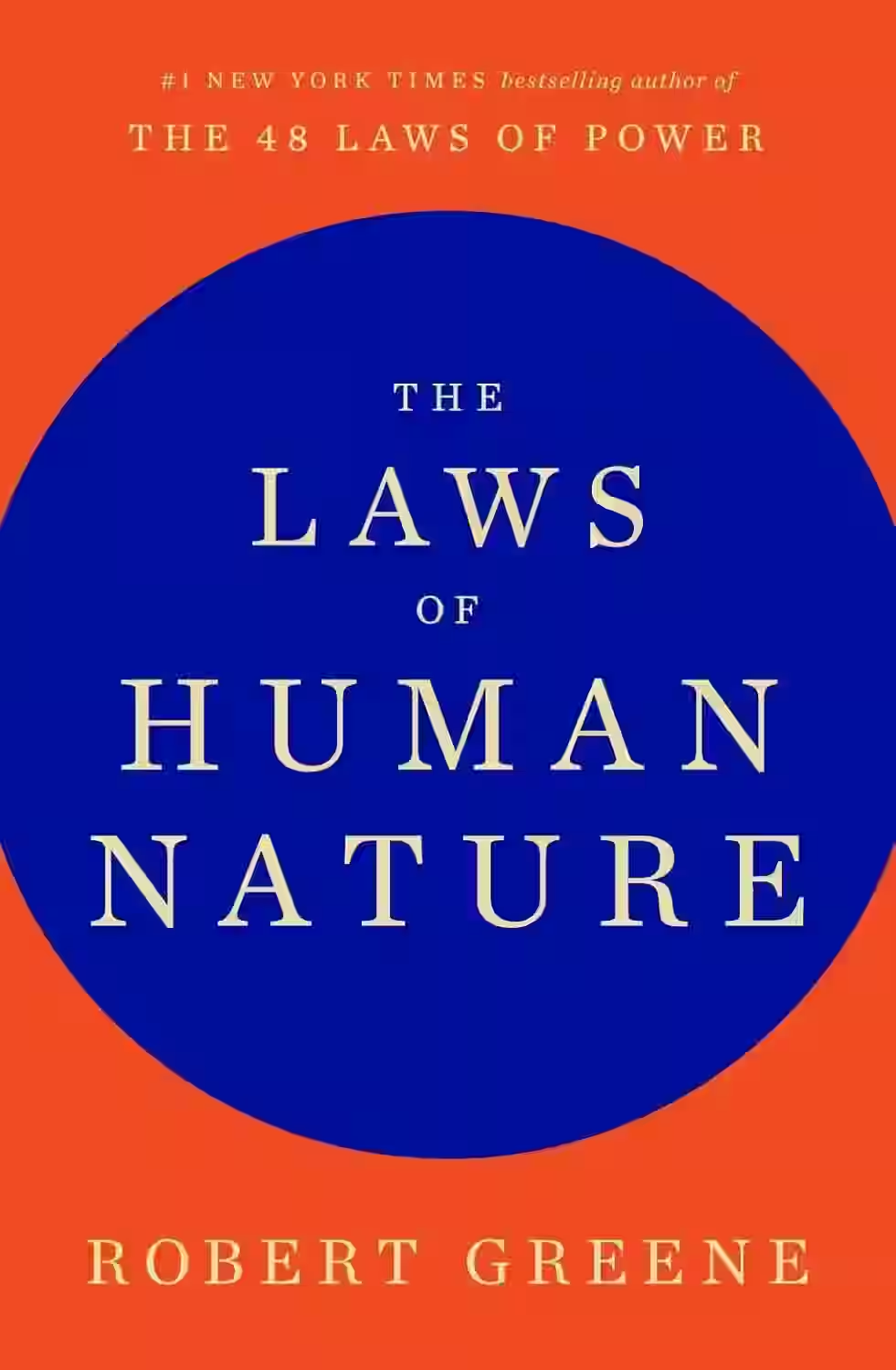
The Laws of Human Nature
In 'The Laws of Human Nature' by Robert Greene, readers are taken on a transformative journey exploring the intricacies of human behavior and psychology. Through captivating storytelling and insightful analysis, Greene delves into the motivations and dynamics that drive our actions, shedding light on the darker aspects of human nature. By drawing from historical examples and psychological research, the book offers practical wisdom on how to navigate social interactions, understand the behaviors of others, and ultimately harness the power of empathy and self-awareness. A compelling blend of psychology, philosophy, and practical advice, 'The Laws of Human Nature' challenges readers to confront their innermost tendencies and strive for personal growth.
Similar Books
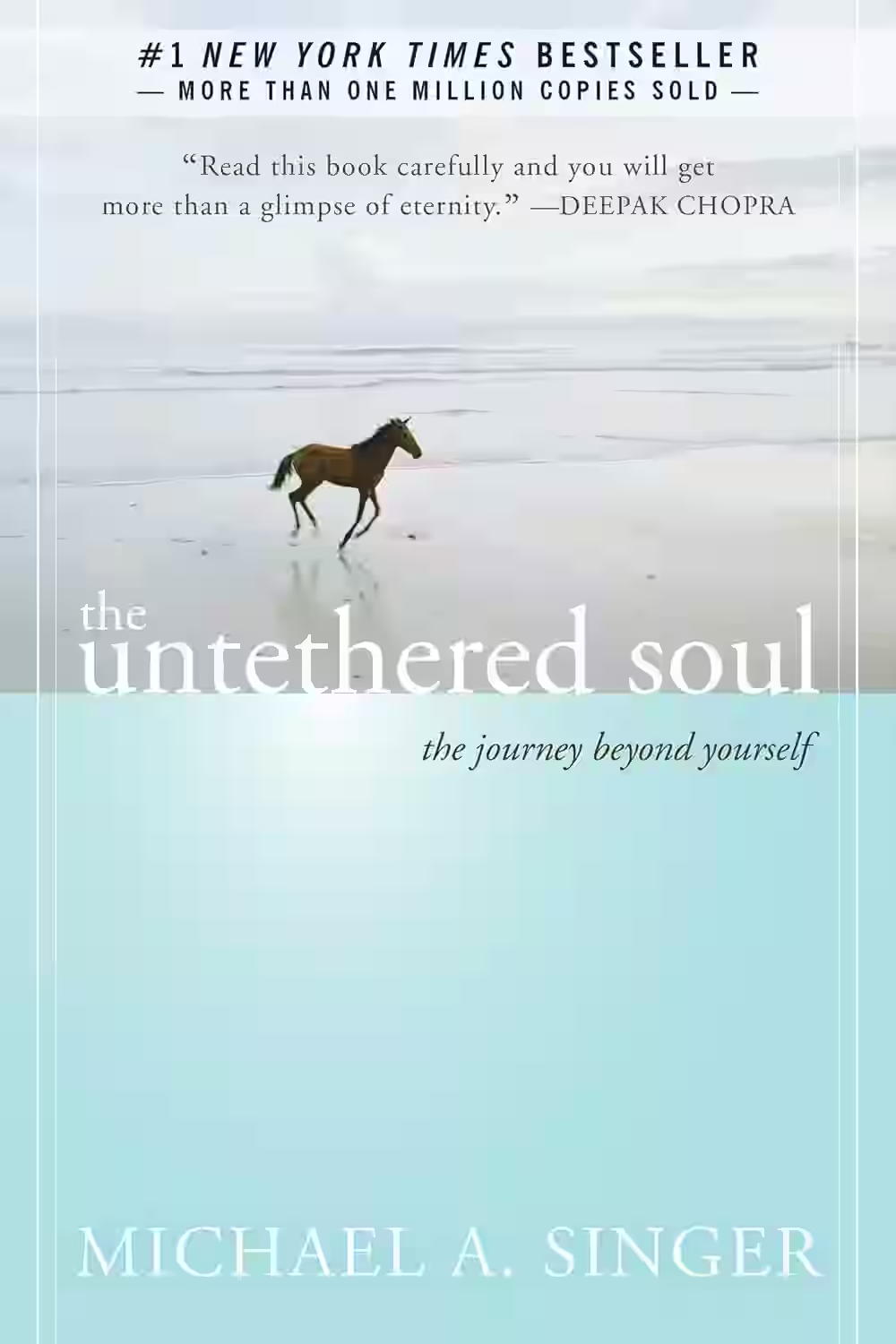
The Untethered Soul
The Untethered Soul is a spiritual and psychological exploration of consciousness, identity, and inner freedom. Michael A. Singer invites readers to observe their thoughts and emotions without attachment, helping them transcend internal limitations and live in the present moment. Drawing from mindfulness and Eastern philosophy, the book emphasizes awareness as the key to personal liberation. Through practical guidance and reflective questions, Singer teaches how to release fear, embrace stillness, and cultivate peace regardless of external circumstances. The Untethered Soul offers a deeply calming and transformative approach for anyone seeking to quiet their mind and reconnect with their deeper self.
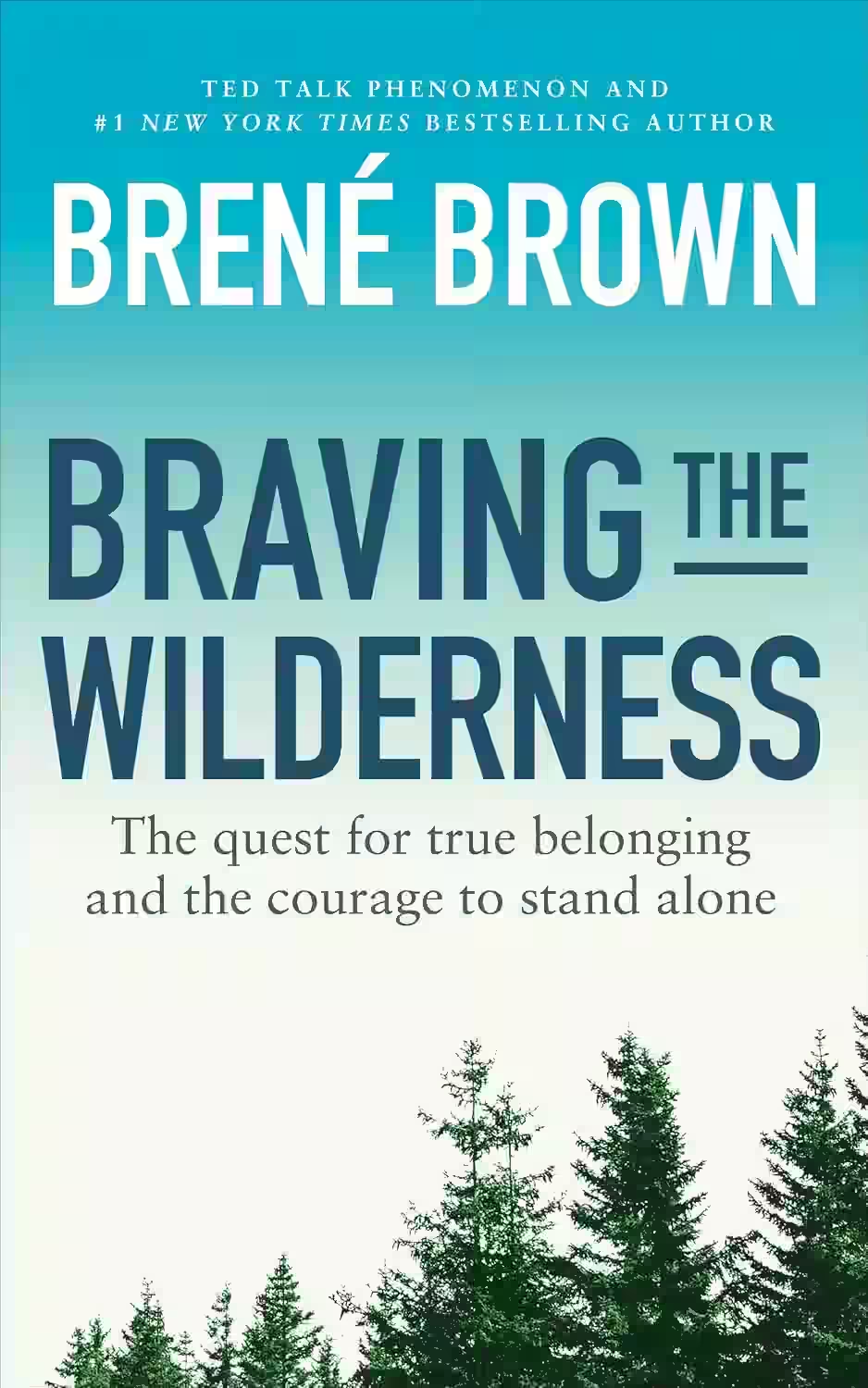
Braving the Wilderness: The Quest for True Belonging and the Courage to Stand Alone
by Brene Brown
In 'Braving the Wilderness,' Brene Brown delves into the essence of true belonging and the courage required to stand alone in a world often marked by divisiveness and disconnection. Through personal anecdotes, research, and heartfelt insights, Brown explores how to cultivate a sense of belonging within ourselves, even when it means going against the grain. She challenges readers to embrace vulnerability, authenticity, and empathy as pathways to genuine connection with others. This profound book urges us to find our inner wilderness, where we can be true to ourselves and still belong. A powerful and inspiring read that resonates deeply with those seeking a more meaningful and connected life.

12 Rules for Life
In 12 Rules for Life, clinical psychologist Jordan B. Peterson presents life principles aimed at navigating chaos with order and purpose. Drawing from psychology, mythology, religion, and personal anecdotes, he discusses topics like personal responsibility, discipline, truth-telling, and meaning. Each chapter focuses on a distinct rule—such as “Stand up straight with your shoulders back” or “Pet a cat when you encounter one on the street.” Provocative and deeply philosophical, the book encourages readers to confront suffering and create order in their lives.
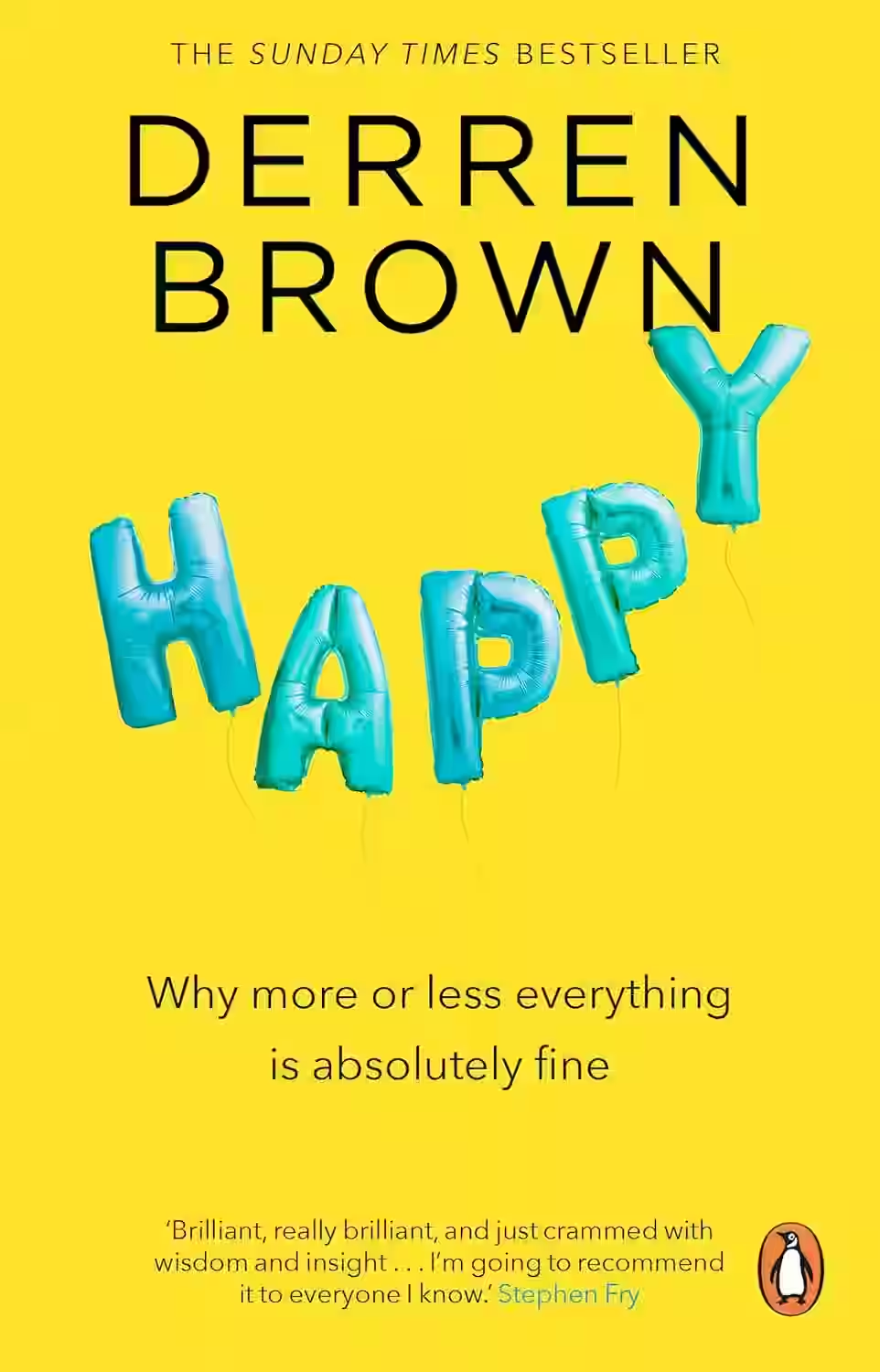
Happy
by Derren Brown
In 'Happy' by Derren Brown, the renowned mentalist and illusionist delves into the complex topic of happiness. Through a blend of philosophy, psychology, and personal anecdotes, Brown challenges conventional notions of happiness and offers insightful perspectives on how to cultivate a more fulfilling life. He explores the role of gratitude, resilience, and embracing uncertainty in our pursuit of happiness. With his signature wit and wisdom, Brown provides readers with practical tools to navigate modern-day challenges and find contentment in an often chaotic world. 'Happy' is a thought-provoking and enlightening read that prompts introspection and encourages readers to redefine their relationship with happiness.