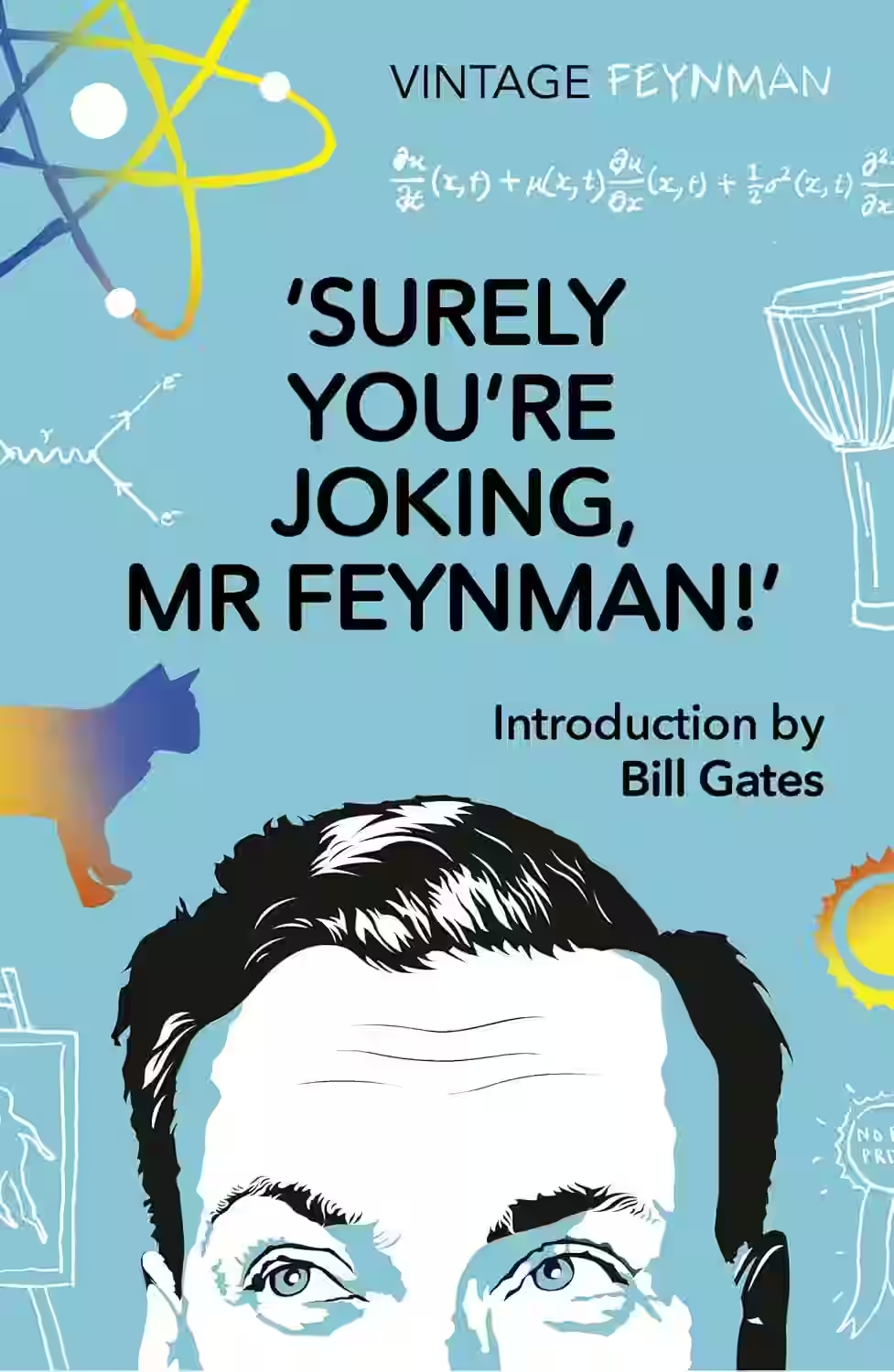
This warm and insightful portrait captures the wisdom, humor, and boundless curiosity of Nobel Prize-winning physicist Richard Feynman through intimate conversations with his friend Ralph Leighton. Beyond his groundbreaking theoretical work, Feynman was a man of adventure – an artist, safecracker, practical joker, and captivating storyteller. His life, fueled by high intelligence, unyielding curiosity, and healthy skepticism, was a series of remarkable experiences. These recorded conversations, transcribed with minimal alteration, offer a wise, funny, passionate, and utterly honest self-portrait of one of the 20th century's most brilliant and engaging minds.
About Richard P Feynman
Richard Feynman (1918-1988) was a brilliant and charismatic theoretical physicist who revolutionized our understanding of quantum electrodynamics, earning him the Nobel Prize in 1965. Known for his exceptional clarity and engaging teaching style, Feynman possessed a rare gift for making complex ideas accessible and exciting. Beyond his scientific achievements, he was a multifaceted individual – a skilled bongo player, an avid artist, and a captivating storyteller with an insatiable curiosity and a healthy dose of skepticism. His lectures and writings continue to inspire and demystify the wonders of physics for generations.
Other Books by Richard P Feynman
What Do You Care What Other People Think?
Richard Feynman, Nobel laureate and icon, was a genius with an insatiable appetite for adventure and a remarkable talent for storytelling. This collection of short pieces and reminiscences reveals his diverse passions, from his appreciation of beauty to his college antics and the unique lessons imparted by his father. Feynman takes us behind the scenes of the Challenger investigation, vividly recounting his pivotal experiment that exposed the disaster's cause. He also shares the poignant story of meeting his beloved first wife, Arlene, and their brief, cherished time together. Infused with Feynman's characteristic curiosity and zest for life, these writings are both deeply moving and wonderfully humorous.
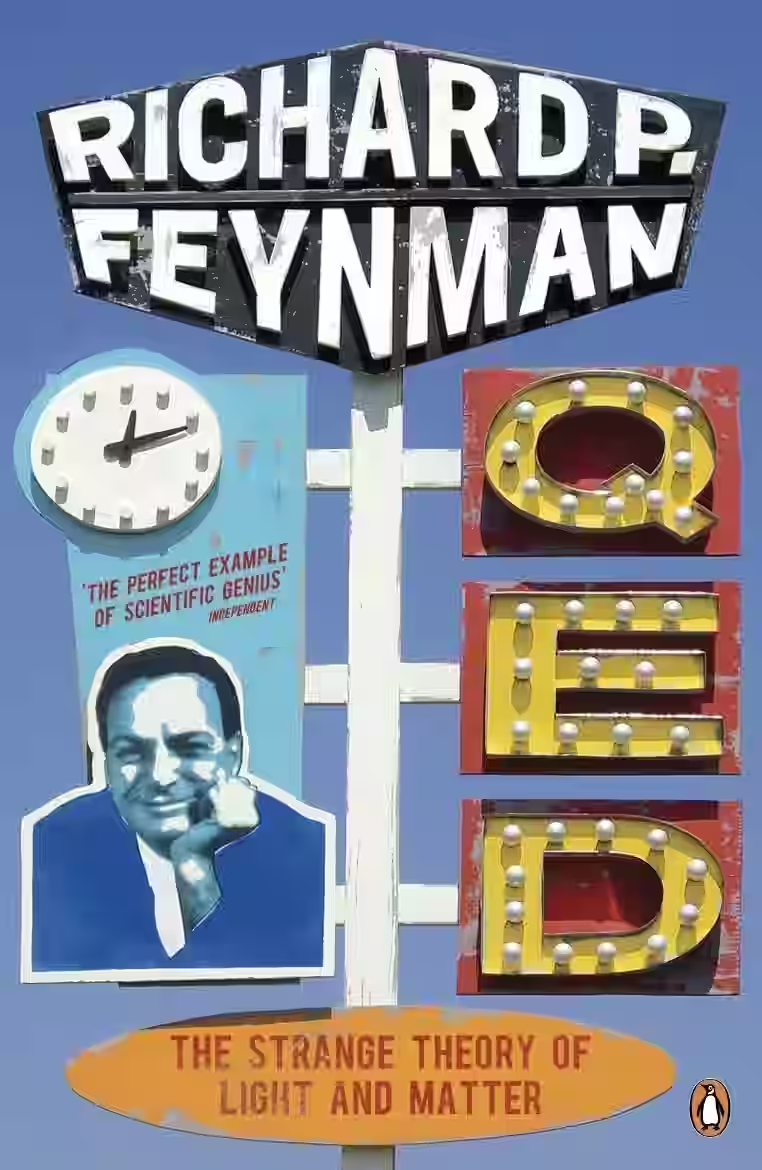
QED: The Strange Theory of Light and Matter
Nobel laureate Richard P. Feynman unravels the revolutionary science that earned him the prize with his signature lucid and witty style. Quantum electrodynamics, or QED, is the theory explaining the intricate interactions between light and electrons, illuminating the deepest mysteries of our universe. Celebrated for its accuracy and enduring validity, QED, thanks to Feynman and his colleagues, stands as a cornerstone of modern physics. Through engaging everyday examples, Feynman delivers the definitive and accessible introduction to this profound theory.
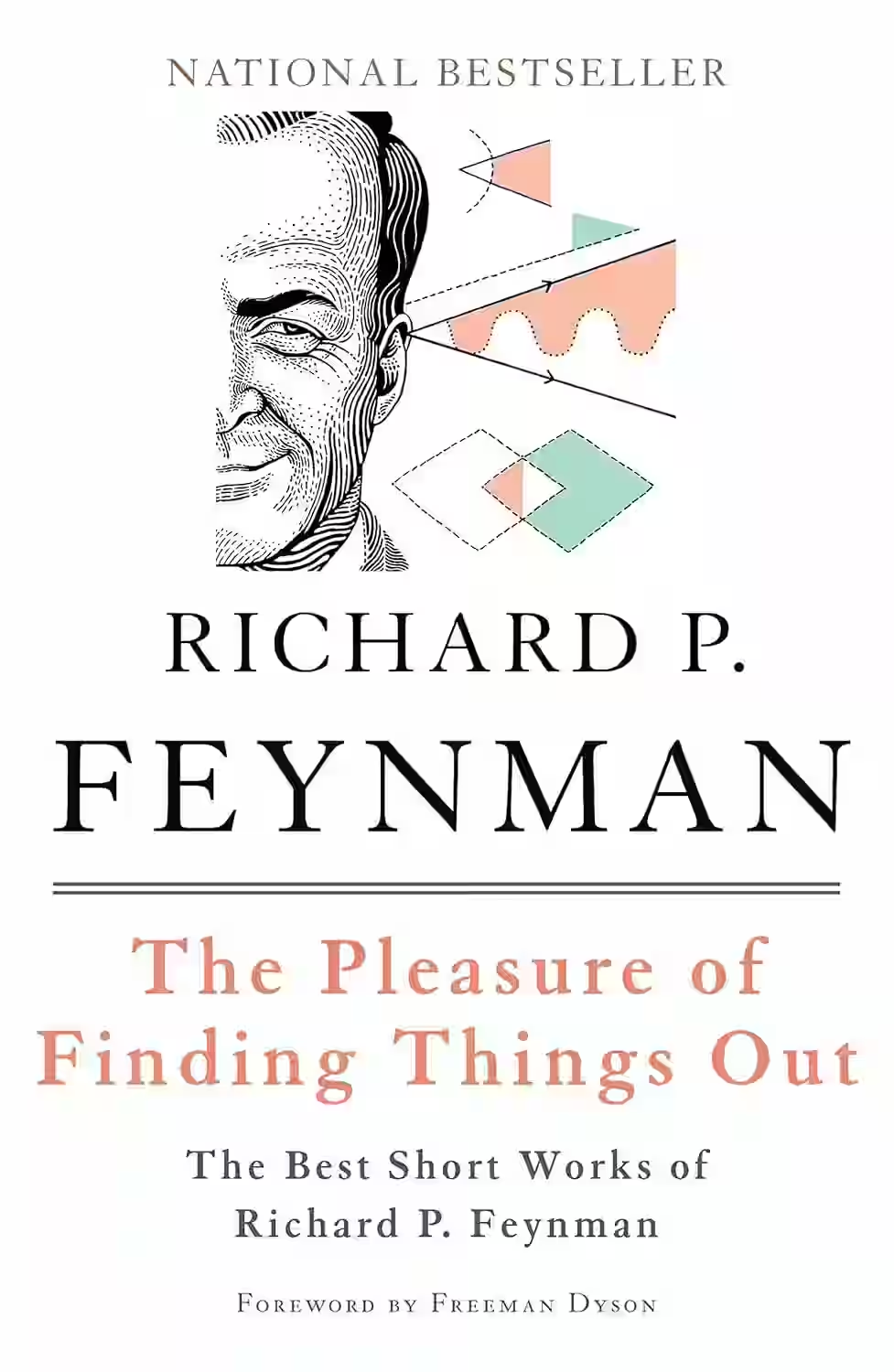
The Pleasure of Finding Things Out
This collection celebrates the remarkable achievements of Nobel Prize-winning scientist Richard P. Feynman, whose work profoundly reshaped our understanding of quantum electrodynamics. "The Pleasure of Finding Things Out" is a magnificent compilation of Feynman's finest short works, encompassing interviews, speeches, lectures, and articles. Offering an intimate and captivating glimpse into an extraordinary life dedicated to science, this wide-ranging treasury explores Feynman's thoughts on science in culture and includes his insightful Nobel Prize acceptance speech. It's a fascinating read for anyone intrigued by the power of ideas and the scientific mind.
Similar Books
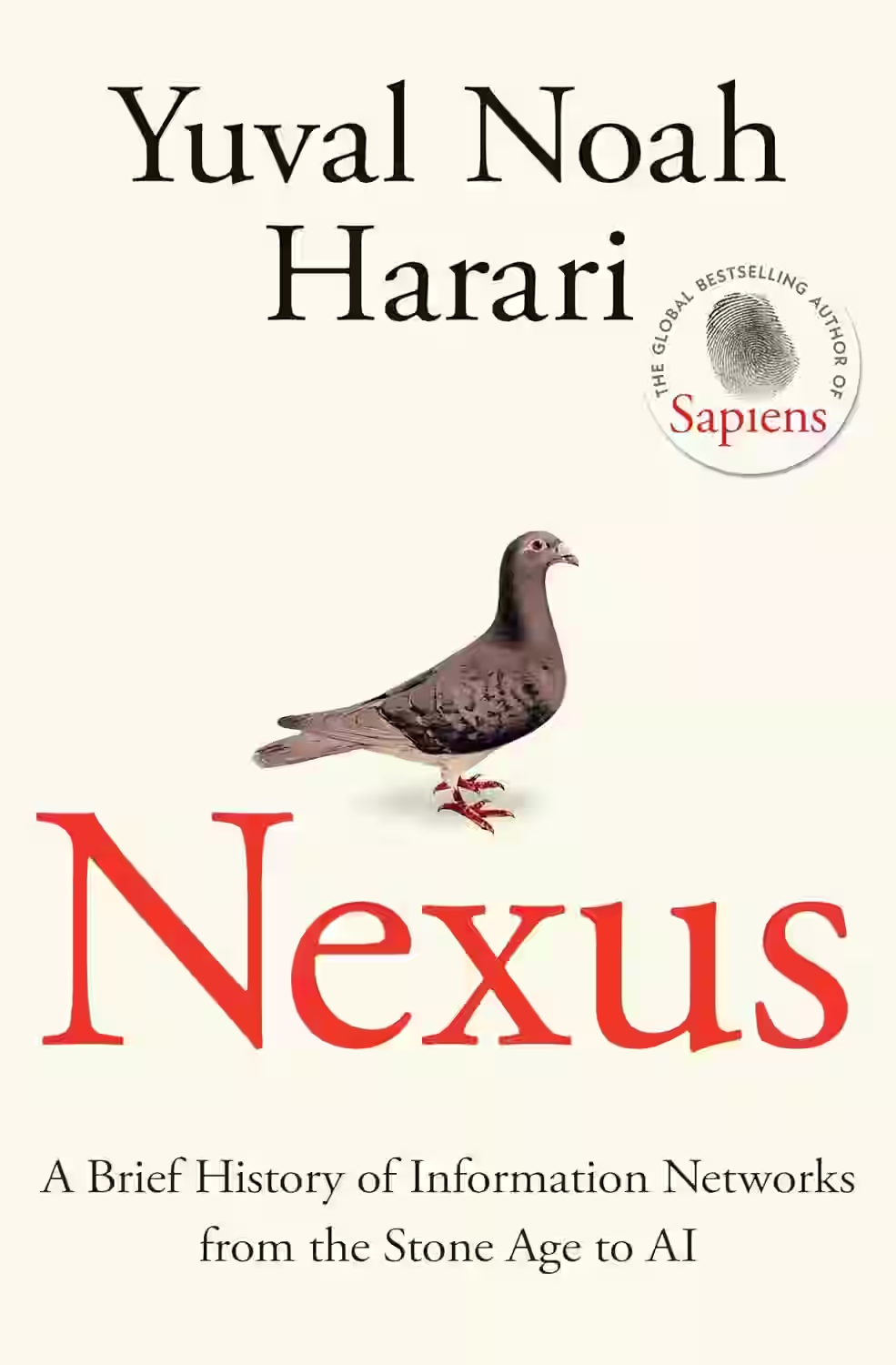
Nexus
In a future where mind-enhancing nanotechnology connects brains like apps, a young scientist develops Nexus 5, a powerful upgrade that could revolutionize human evolution—or destroy it. Caught between shadowy government forces and post-human extremists, he must navigate a dangerous world of espionage, ethics, and power struggles. Fast-paced and thought-provoking, Nexus explores the limits of human potential and the morality of scientific progress in a near-future thriller that blends cyberpunk and biotech with philosophical depth.
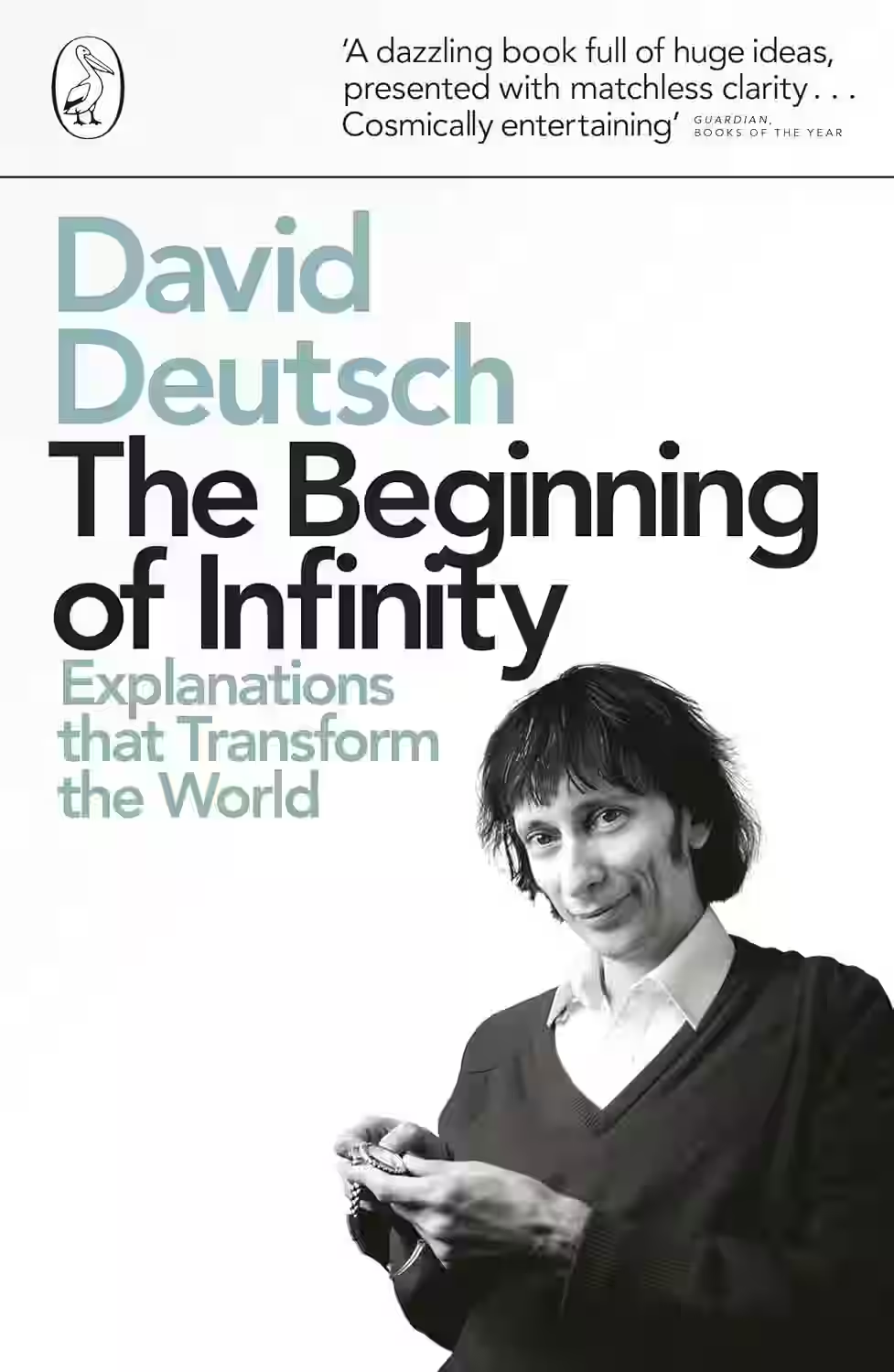
The Beginning of Infinity
David Deutsch's The Beginning of Infinity explores the boundless potential of human knowledge and progress. He argues that through better explanations and critical thinking, humanity can solve problems previously deemed unsolvable. The book delves into topics like quantum physics, philosophy, and the nature of scientific discovery, emphasizing that there are no inherent limits to what we can understand. Deutsch posits that with the right knowledge, we can achieve infinite progress, making this work a profound examination of human potential and the transformative power of ideas.
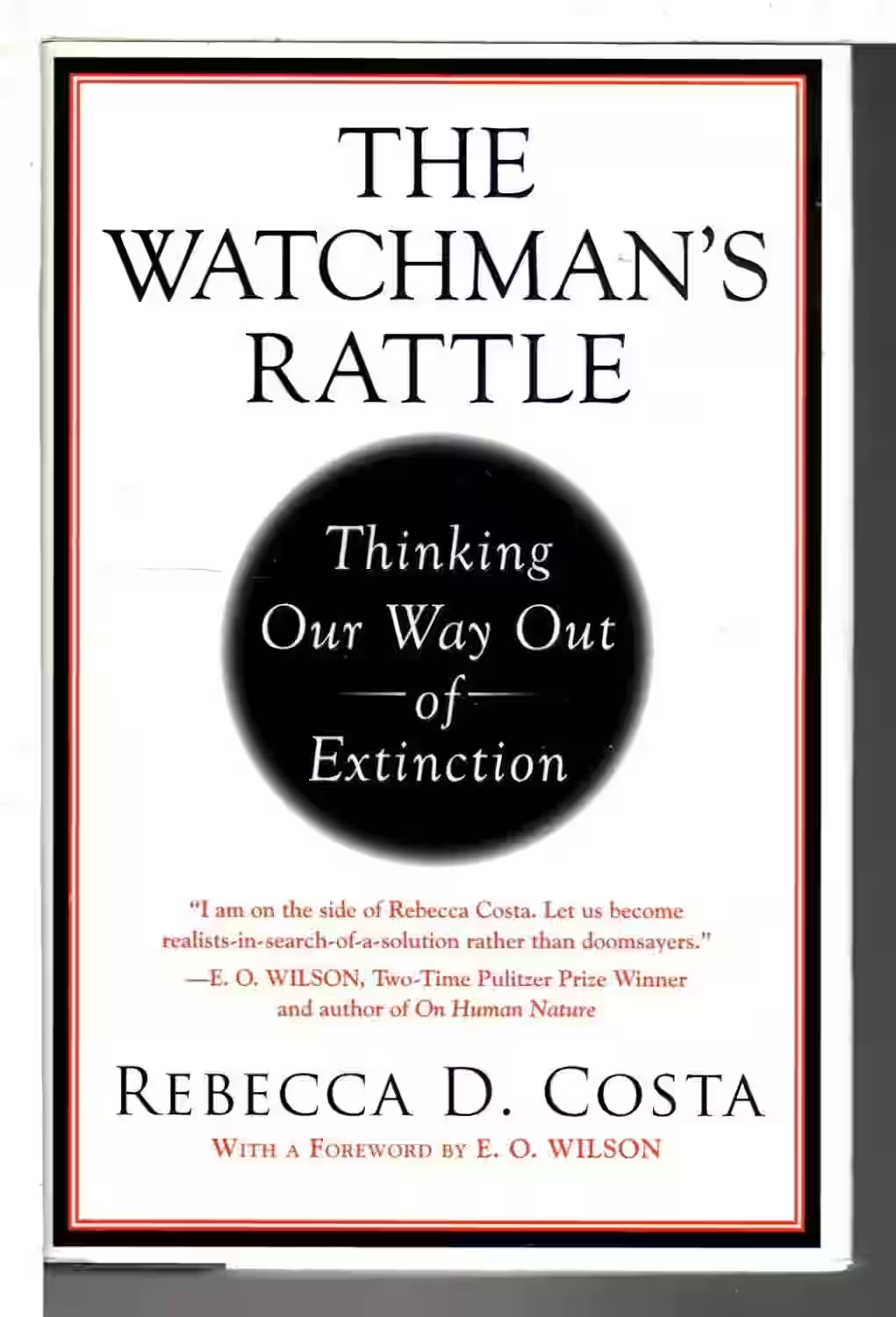
The Watchman's Rattle: Thinking Our Way Out of Extinction
Rebecca Costa’s The Watchman’s Rattle explores how civilizations collapse when complexity outpaces our ability to solve problems. Blending science, history, and psychology, she argues that as global crises become more complex, society risks paralysis unless we evolve our cognitive strategies. Costa introduces the idea of “cognitive threshold,” suggesting we must adopt new ways of thinking—such as intuition and pattern recognition—to survive modern challenges. The book links ancient failures with contemporary threats like climate change and global instability. It’s a call to embrace adaptive thinking before our most pressing problems become unsolvable.

With the Old Breed
by E.B. Sledge
E.B. Sledge's 'With the Old Breed' is a poignant and harrowing personal account of his experiences as a Marine in the Pacific during World War II. Through vivid and visceral prose, Sledge brings to life the brutal realities of combat, showcasing the camaraderie, suffering, and resilience of the men he fought alongside. The book delves into the psychological toll of war, the challenges of survival in extreme conditions, and the moral dilemmas faced by soldiers. Sledge's raw and honest narrative provides a deeply human perspective on the horrors of war and the bonds formed in the crucible of conflict.