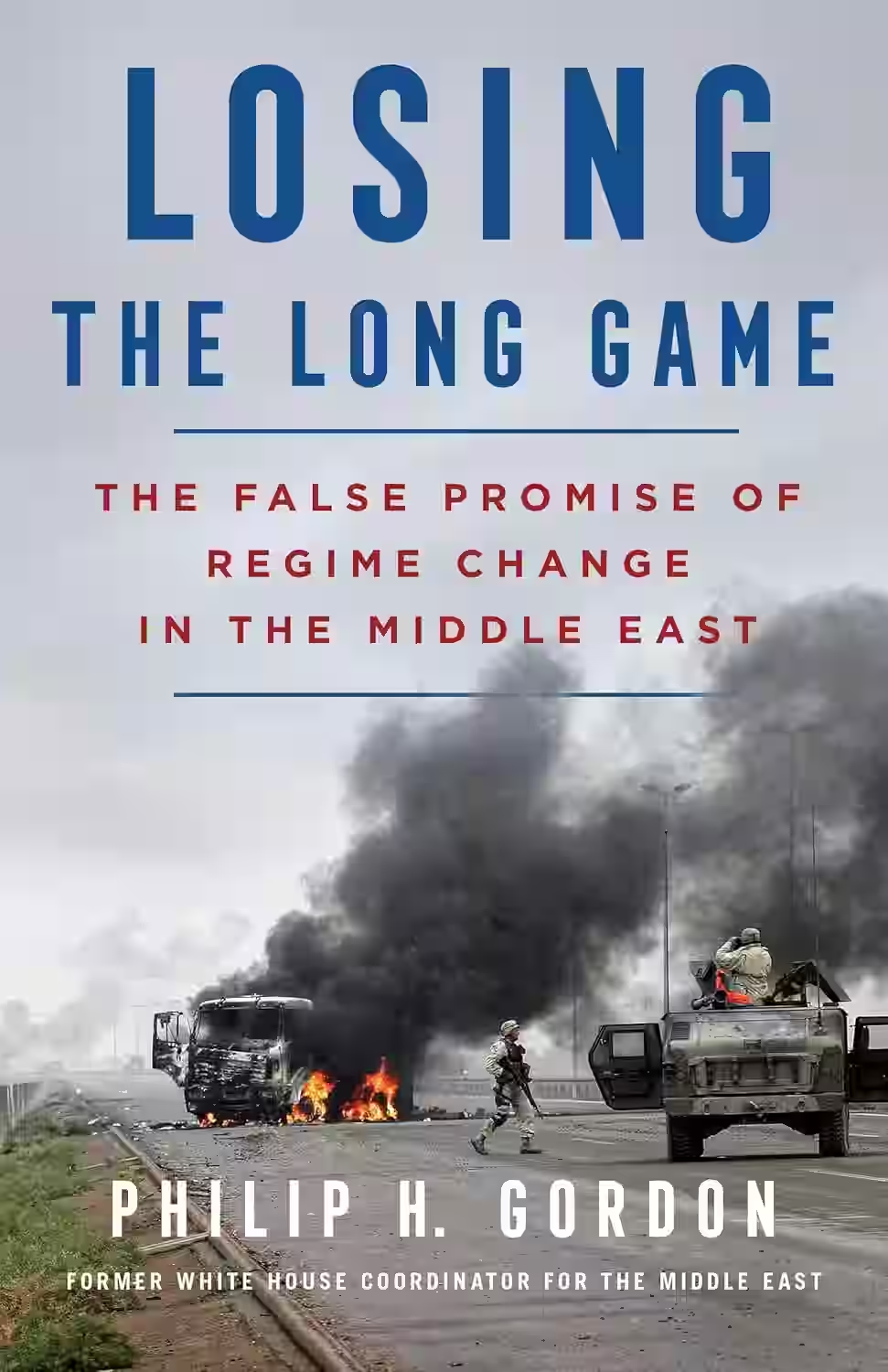
In 'Losing the Long Game' by Philip H. Gordon, the author delves into the complex foreign policy decisions of the Obama administration and explores how strategic missteps led to America's diminished global influence. Gordon critiques the administration's handling of critical issues such as the Syrian civil war, tensions with Russia, and the Iran nuclear deal. He argues that a lack of cohesive long-term strategy eroded American credibility on the world stage. Through insightful analysis and behind-the-scenes anecdotes, Gordon prompts readers to reflect on the implications of short-term thinking in international relations. This thought-provoking book offers a valuable perspective on the challenges of maintaining global leadership.
About Philip H. Gordon
Philip H. Gordon is an acclaimed author known for his insightful interpretations of historical events. With a background in political science and international relations, Gordon brings a unique perspective to his writing, blending meticulous research with engaging storytelling. His notable works include 'Winning the Right War: The Path to Security for America and the World' and 'Losing the Long Game: The False Promise of Regime Change in the Middle East.' Gordon's impact on literature lies in his ability to dissect complex geopolitical issues and present them in a compelling narrative that resonates with readers worldwide.
Similar Books
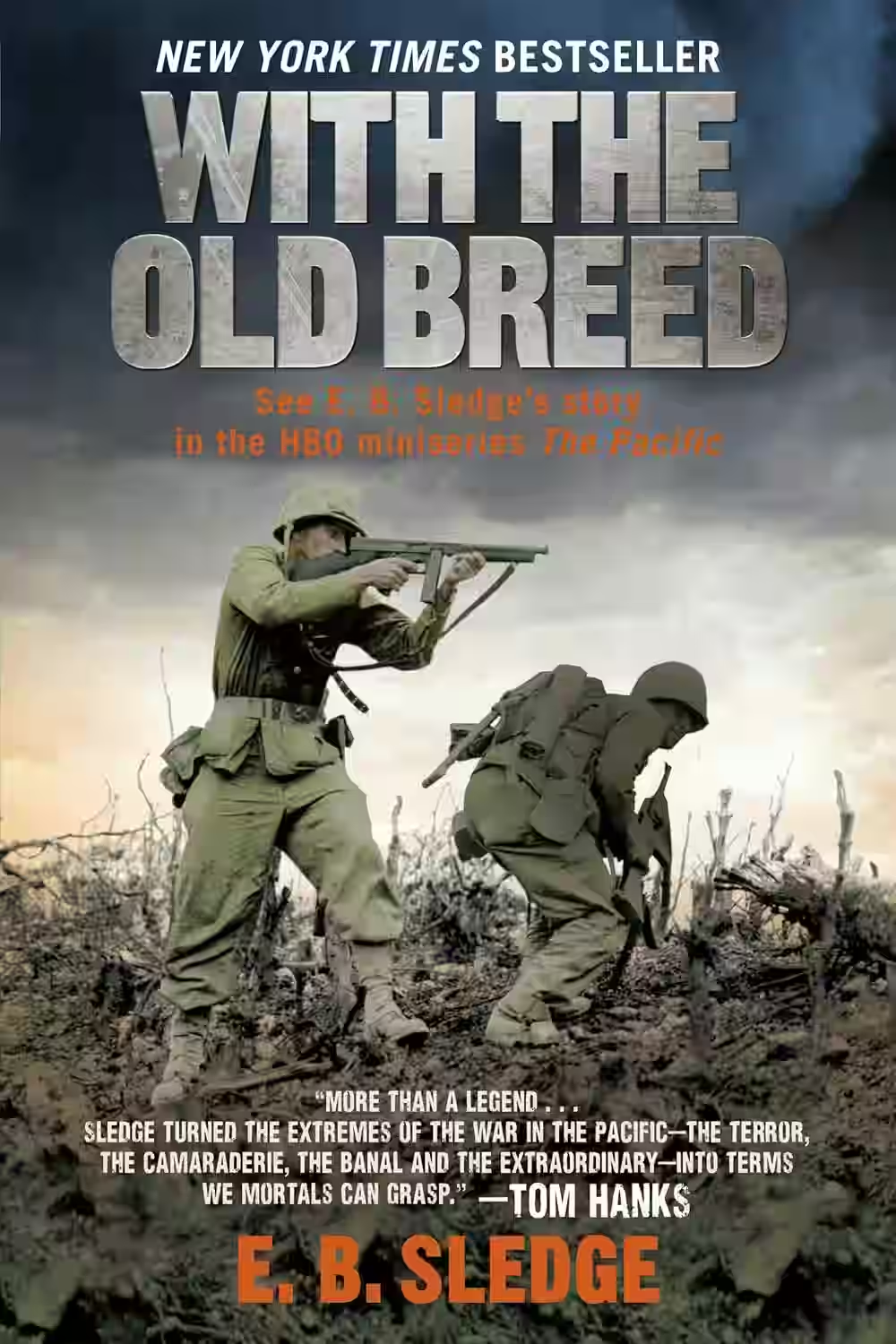
With the Old Breed
by E.B. Sledge
E.B. Sledge's 'With the Old Breed' is a poignant and harrowing personal account of his experiences as a Marine in the Pacific during World War II. Through vivid and visceral prose, Sledge brings to life the brutal realities of combat, showcasing the camaraderie, suffering, and resilience of the men he fought alongside. The book delves into the psychological toll of war, the challenges of survival in extreme conditions, and the moral dilemmas faced by soldiers. Sledge's raw and honest narrative provides a deeply human perspective on the horrors of war and the bonds formed in the crucible of conflict.
The Grand Master's Insights on China, the United States, and the World
In 'The Grand Master's Insights on China, the United States, and the World,' Graham Allison, a renowned political scientist, offers a compelling analysis of the complex dynamics between China and the United States, exploring their interactions and implications for global politics. Drawing on his expertise, Allison delves into the historical context, strategic calculations, and potential pitfalls that shape the relationship between these two global powers. Through insightful anecdotes and data-driven arguments, he sheds light on the challenges and opportunities that arise from their interactions, providing readers with a deeper understanding of the intricacies of international relations.
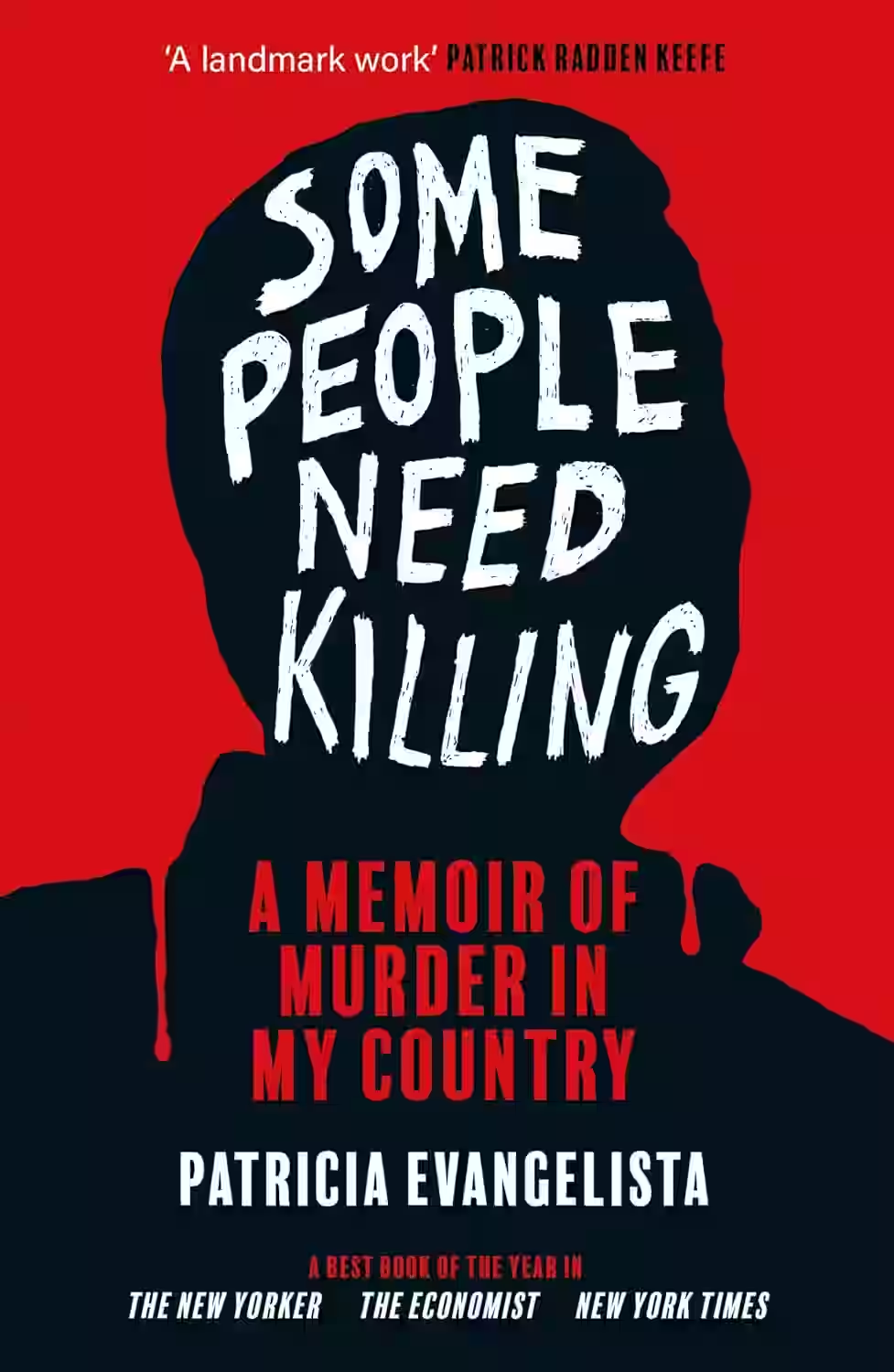
Some People Need Killing
In this harrowing and deeply reported memoir, journalist Patricia Evangelista documents Rodrigo Duterte’s brutal war on drugs in the Philippines. Drawing from years of firsthand reporting, Evangelista chronicles the violence, propaganda, and moral disintegration that defined a nation’s descent into authoritarianism. Through vivid narratives of victims, enforcers, and survivors, the book becomes a powerful indictment of state-sponsored killings and a meditation on fear, complicity, and resistance. Some People Need Killing is both a work of fearless journalism and a profoundly personal reckoning with truth and accountability in the face of terror.
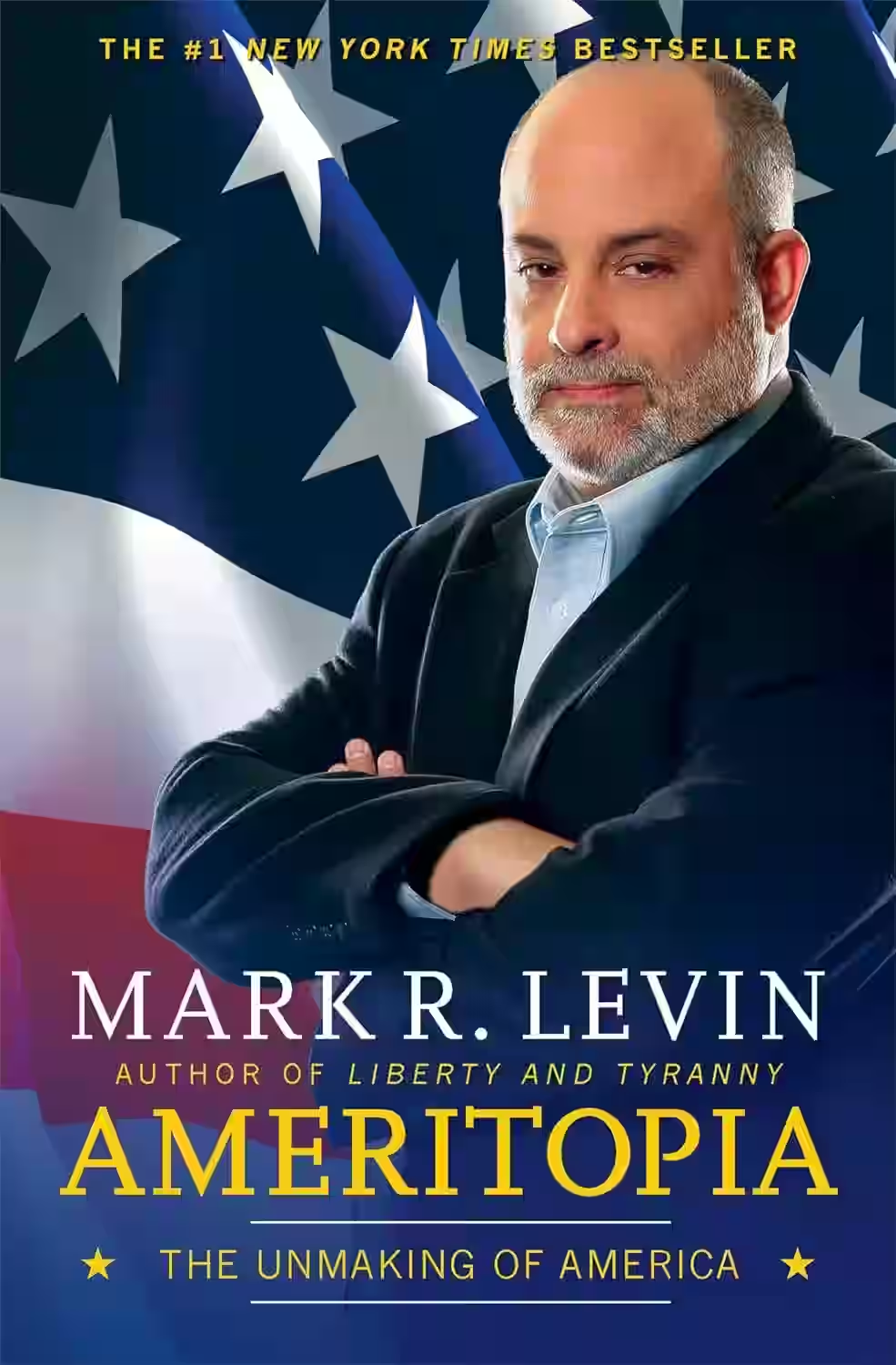
Ameritopia: The Unmaking of America
In 'Ameritopia: The Unmaking of America', Mark R. Levin delves into the philosophical foundations of the American political system and contrasts it with the Utopian ideologies that seek to erode individual liberties and constitutional constraints. Through a powerful blend of historical analysis and contemporary commentary, Levin investigates the dangers of centralized power, societal control, and the disregard for natural rights. Drawing parallels between the Founding Fathers' vision and the current political landscape, 'Ameritopia' serves as a thought-provoking exploration of the ongoing struggle between liberty and tyranny. With meticulous research and compelling arguments, Levin challenges readers to reflect on the significance of preserving the American principles of limited government and individual freedom.