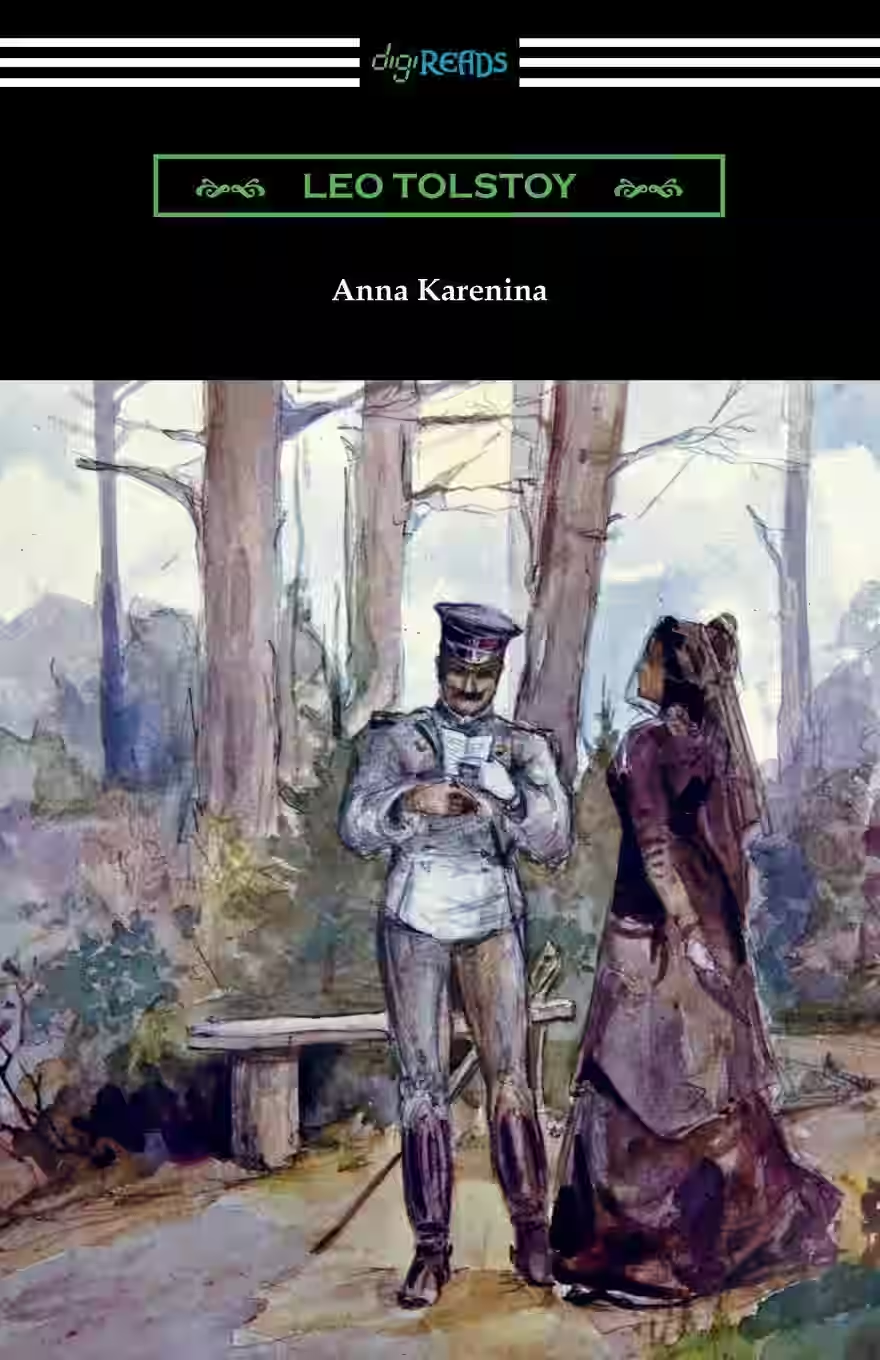
Acclaimed by many as the world's greatest novel, Anna Karenina provides a vast panorama of contemporary life in Russia and of humanity in general. In it Tolstoy uses his intense imaginative insight to create some of the most memorable characters in all of literature. Anna is a sophisticated woman who abandons her empty existence as the wife of Karenin and turns to Count Vronsky to fulfil her passionate nature - with tragic consequences. Levin is a reflection of Tolstoy himself, often expressing the author's own views and convictions.
About Leo Tolstoy
A Russian novelist and philosopher, widely regarded as one of the greatest authors of all time. His monumental works, War and Peace and Anna Karenina, are celebrated for their epic scope, psychological realism, and profound insights into human nature, society, and morality. Tolstoy's later writings explored Christian anarchist and non-violent resistance philosophies, profoundly influencing political thought. His masterful storytelling and deep philosophical inquiries solidified his enduring legacy in world literature.
Other Books by Leo Tolstoy
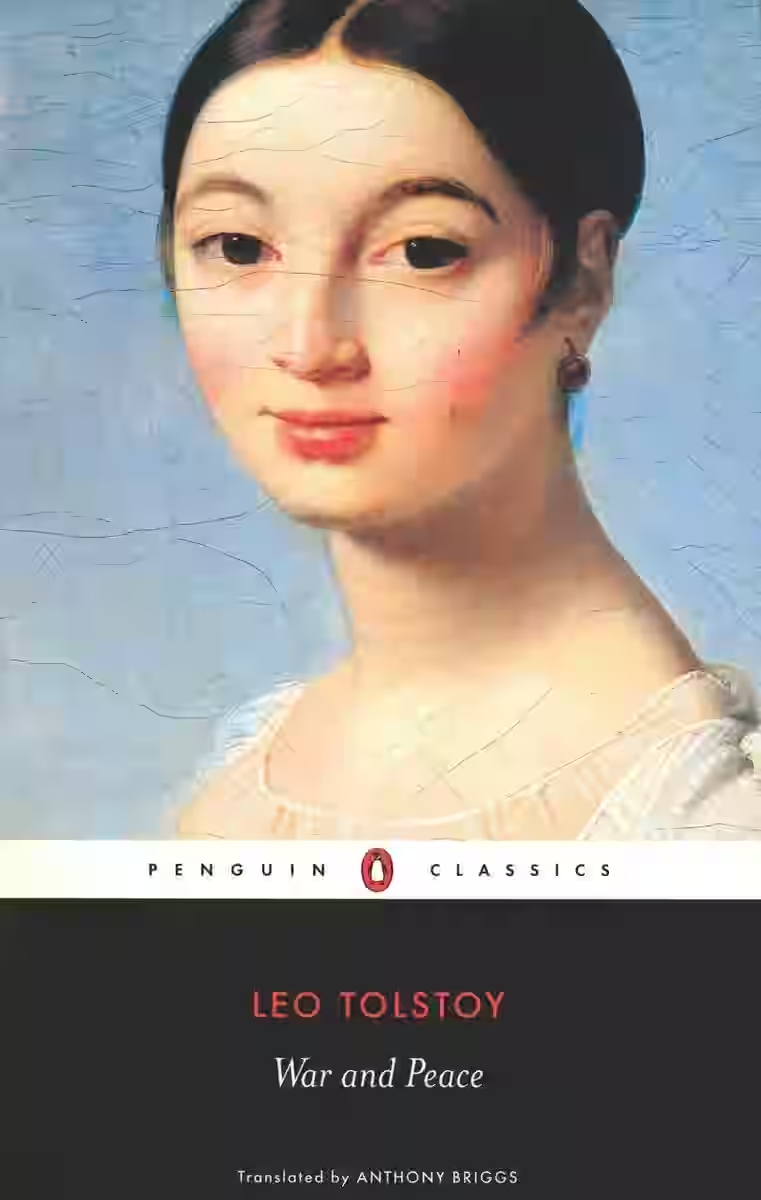
War and Peace
by Leo Tolstoy
At a glittering society party in St Petersburg in 1805, conversations are dominated by the prospect of war. Terror swiftly engulfs the country as Napoleon's army marches on Russia, and the lives of three young people are changed forever. The stories of quixotic Pierre, cynical Andrey and impetuous Natasha interweave with a huge cast, from aristocrats and peasants, to soldiers and Napoleon himself. In War and Peace (1868-9), Tolstoy entwines grand themes - conflict and love, birth and death, free will and fate - with unforgettable scenes of nineteenth-century Russia, to create a magnificent epic of human life in all its imperfection and grandeur.
Similar Books
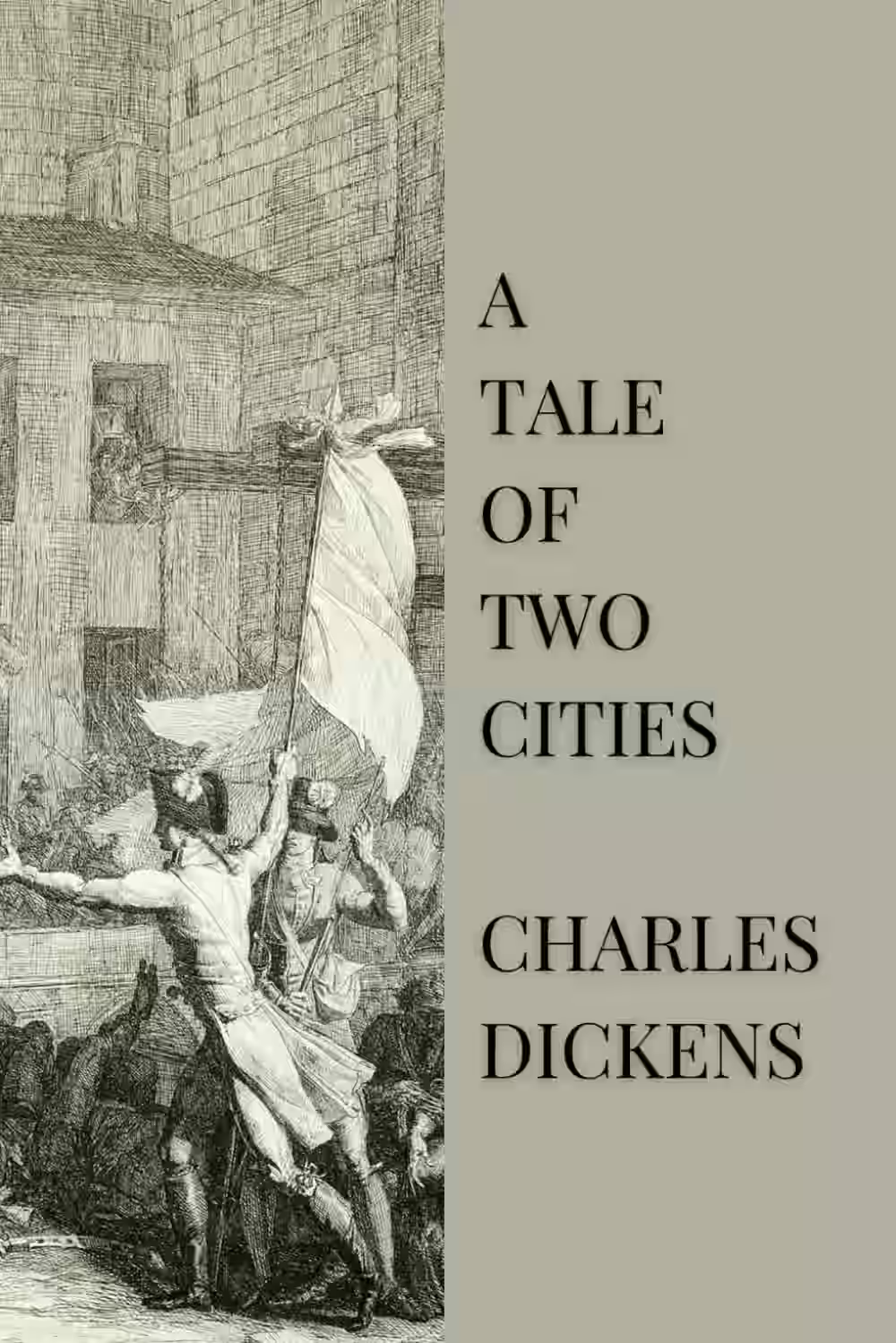
A Tale of Two Cities
In Charles Dickens' 'A Tale of Two Cities,' the turbulent backdrop of the French Revolution sets the stage for a gripping narrative of love, sacrifice, and redemption. The novel intertwines the lives of characters from London and Paris, illustrating the stark contrasts between the two cities during a tumultuous time in history. Through intricate plots and vivid descriptions, Dickens explores themes of resurrection, oppression, and the consequences of societal injustice. As the characters navigate personal struggles and political upheaval, the story builds towards a powerful climax that resonates with themes of hope and renewal. 'A Tale of Two Cities' remains a timeless classic that captivates readers with its profound insights into human nature and the enduring power of love and sacrifice.
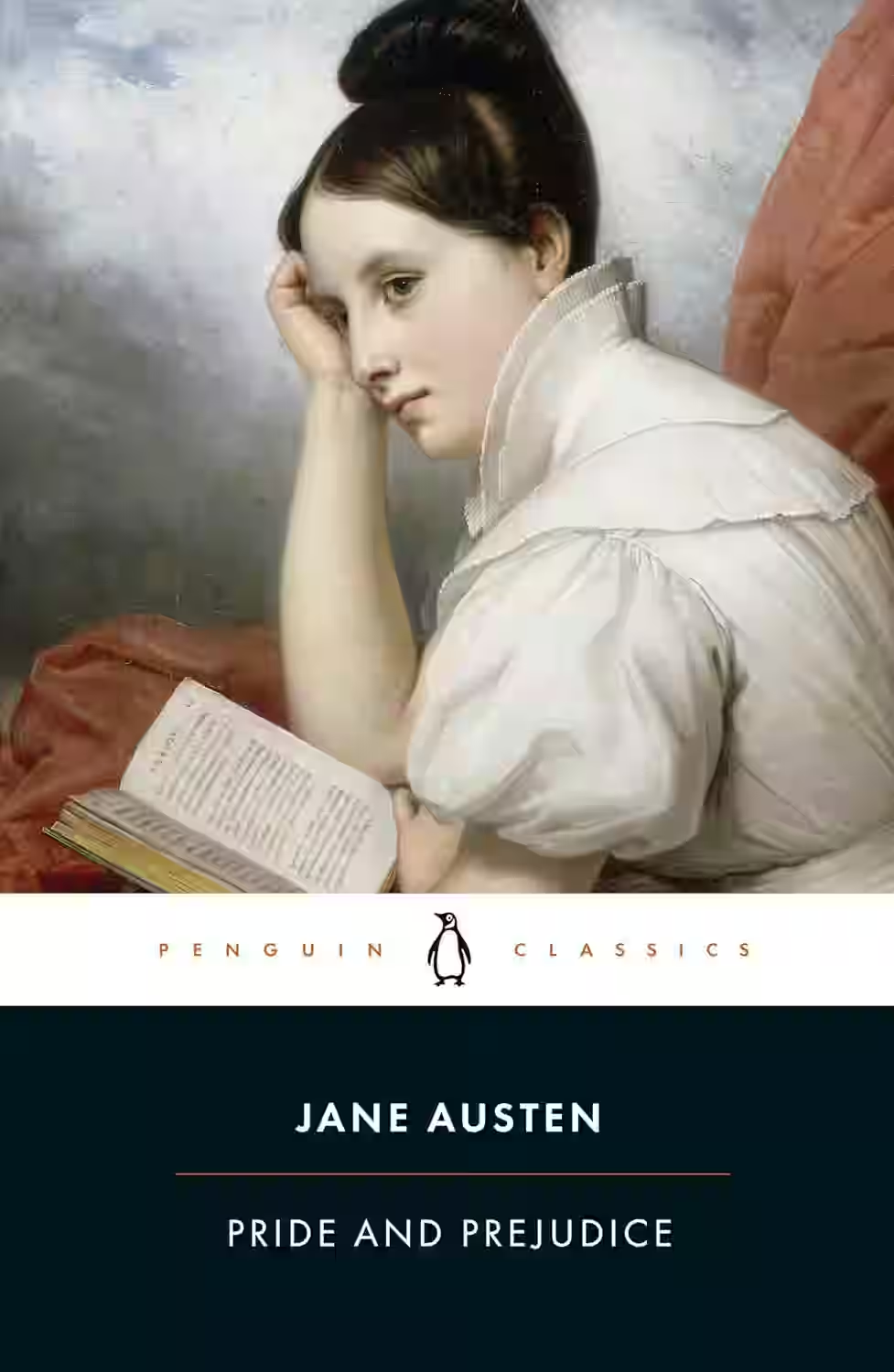
Pride and Prejudice
by Jane Austen
This beloved classic follows the spirited Elizabeth Bennet as she navigates love, marriage, and social status in Georgian-era England. When the wealthy and proud Mr. Darcy enters her life, their mutual prejudices create a complex dance of misunderstanding and growth. Through razor-sharp wit and social commentary, Austen crafts a timeless romance while critiquing class, marriage, and gender roles in 19th-century society.
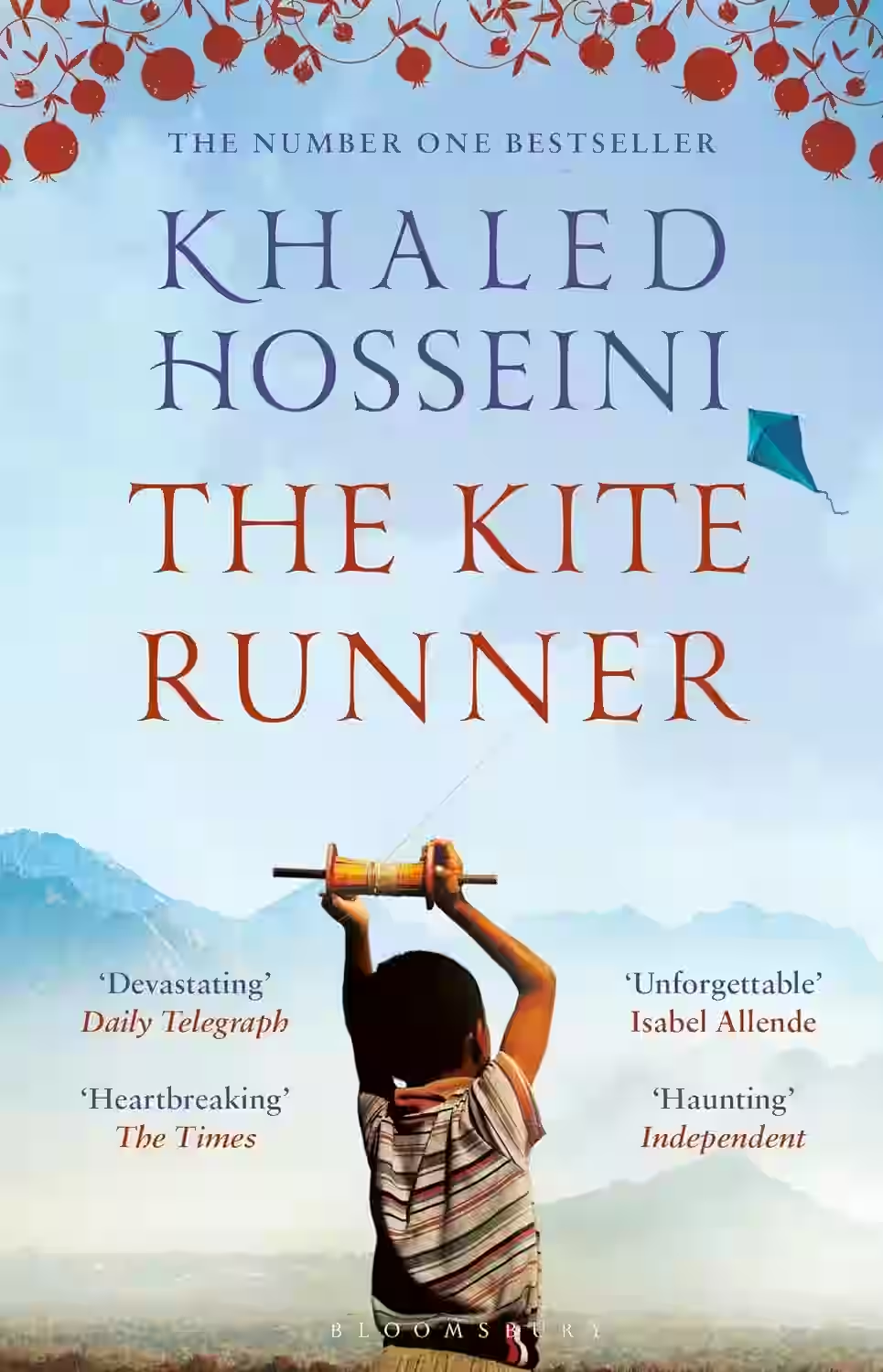
The Kite Runner
This powerful story follows two childhood friends in Kabul and spans multiple decades of Afghan history. After witnessing a terrible event, their lives take dramatically different paths until a chance for redemption presents itself years later. Through personal drama and historical upheaval, the novel explores themes of loyalty, betrayal, and the possibility of atonement.

Room With a View
by E.M. Forster
E.M. Forster's 'A Room with a View' is a captivating novel that tells the story of Lucy Honeychurch, a young English woman who embarks on a journey of self-discovery during a trip to Italy. The novel explores themes of love, societal expectations, and the clash between the rigid conventions of the Edwardian era and the individual desires of the characters. Through vivid descriptions of the picturesque Italian landscape and nuanced character interactions, Forster weaves a tale that highlights the importance of following one's true passions and desires. 'A Room with a View' is a timeless classic that continues to resonate with readers for its exploration of personal freedom and societal constraints.