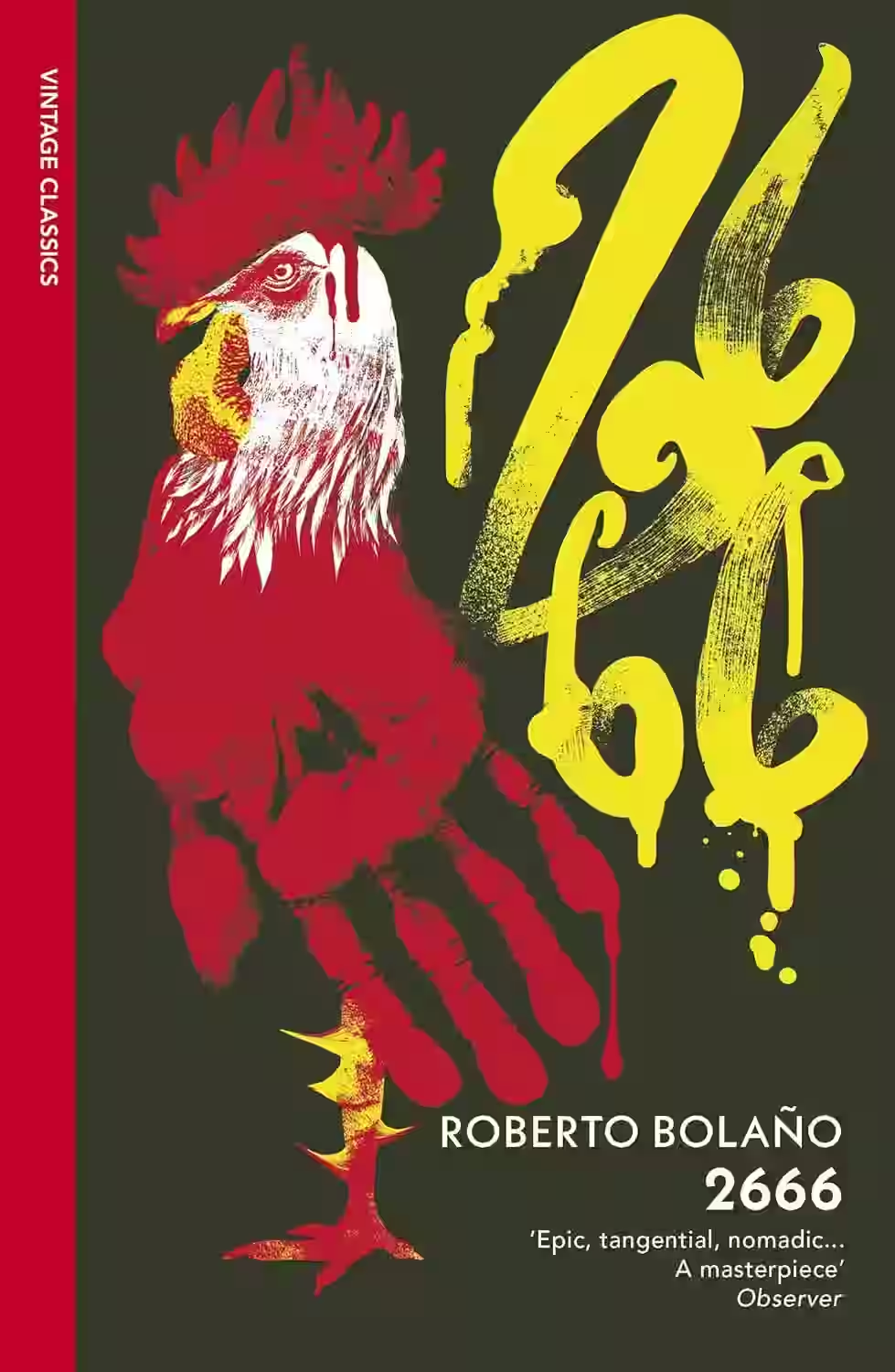
Roberto Bolaño's '2666' is a sprawling, enigmatic novel that traverses continents and genres, engulfing the reader in a labyrinthine narrative. Set primarily in the fictional Mexican town of Santa Teresa, the book intricately weaves together five distinct yet interconnected parts, each exploring themes of violence, obsession, and the quest for meaning. The novel's epic scope delves into the minds of literature critics, an elusive German author, a brutal crime wave, and a reclusive professor, all against the backdrop of the mysterious and incessant murders of women. Bolaño's masterful storytelling and evocative prose challenge conventional narrative structure, leaving a profound impact on readers as it delves deep into the human psyche and societal ills. '2666' is a testament to the power of literature to illuminate the darkest corners of human existence, a richly layered work that continually unfolds new insights with each reading.
About Roberto Bolaño
Roberto Bolaño (1953–2003) was a Chilean novelist, poet, and essayist, widely regarded as one of the most influential Latin American writers of his generation. Born in Santiago, Chile, Bolaño spent much of his life in Mexico, before later settling in Spain. His works, primarily written in Spanish, have been lauded for their complex narratives, dark themes, and existential depth. Among his most notable novels are 'The Savage Detectives' (1998) and '2666' (published posthumously in 2004), both of which have received critical acclaim and considerable international attention. Bolaño's distinctive style, characterized by its sprawling storytelling and bold exploration of literary tradition, has had a profound impact on contemporary literature, earning him a lasting legacy as a daring innovator and a keen observer of the human condition.
Similar Books

No Country for Old Men
No Country for Old Men by Cormac McCarthy is a stark, violent meditation on fate, morality, and the unraveling of a modern American landscape. Set in 1980s Texas, the novel follows Llewelyn Moss, a hunter who stumbles upon a drug deal gone wrong and takes a suitcase full of money. He becomes the target of Anton Chigurh, a cold, remorseless killer with a twisted code of ethics. Sheriff Ed Tom Bell, haunted by the past, attempts to bring order amid the chaos. With sparse, powerful prose and existential weight, McCarthy crafts a gripping tale of justice in a world losing its grip on meaning.
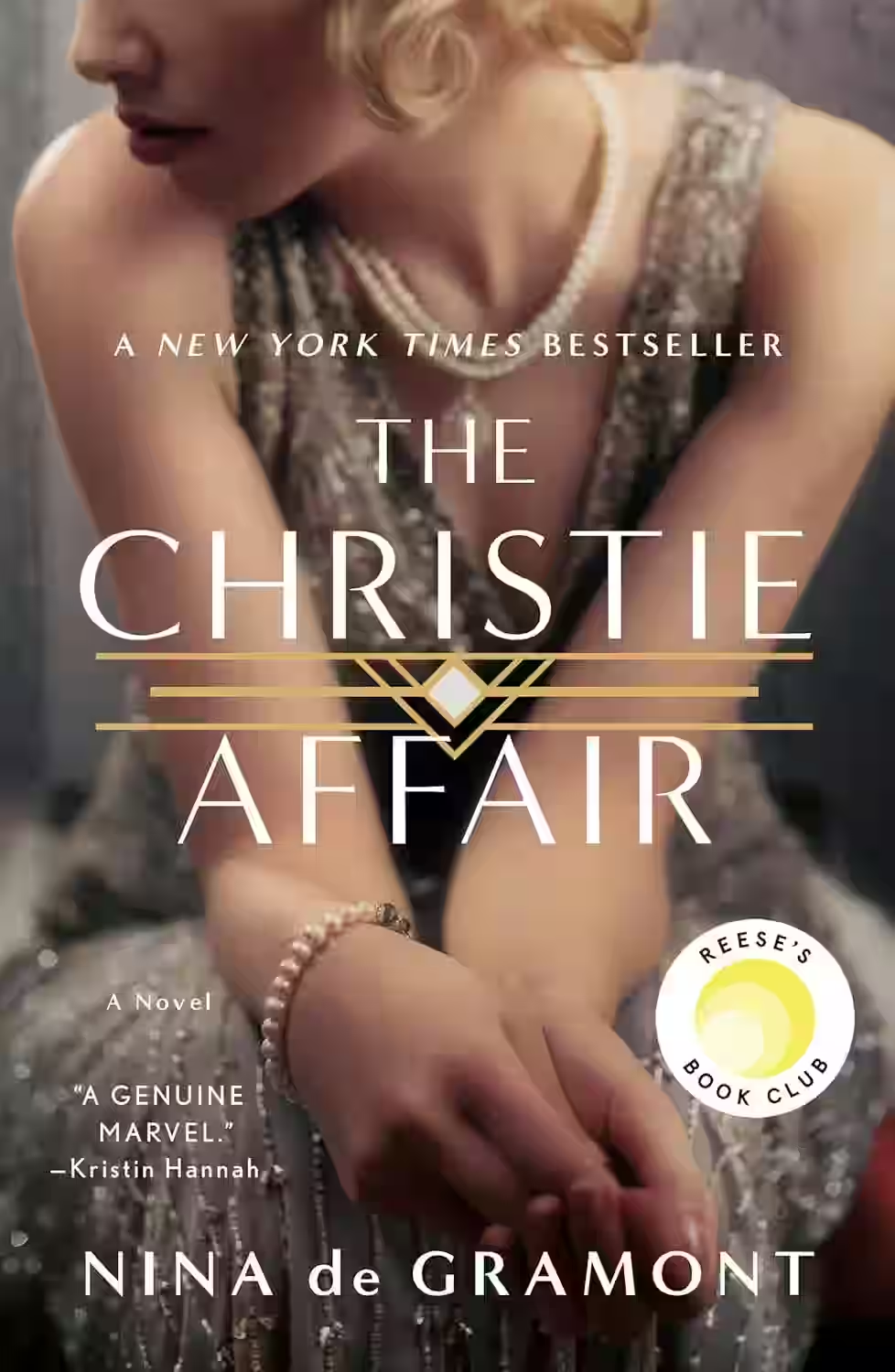
The Christie Affair
In 'The Christie Affair' by Nina de Gramont, readers are taken on a riveting journey through the scandalous love affair between famed mystery writer Agatha Christie and a young archaeologist. Set against the backdrop of a tumultuous era, the novel intricately weaves together themes of love, betrayal, and the complexities of relationships. As the affair unfolds, secrets are revealed and loyalties are tested, keeping readers on the edge of their seats. De Gramont's vivid storytelling and rich historical detail bring the characters to life, making this a compelling read for fans of historical fiction and literary dramas.
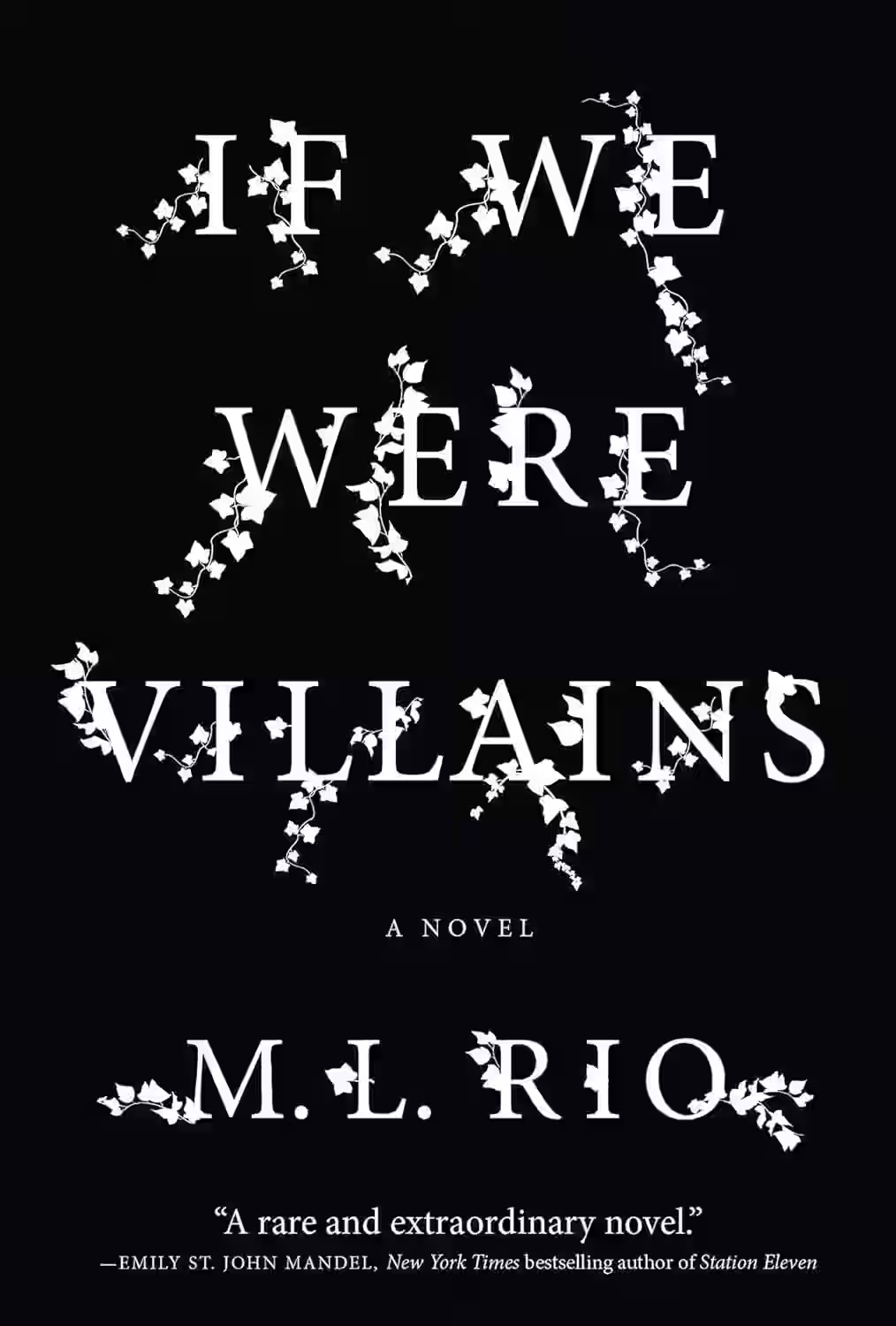
If We Were Villains
by M.L. Rio
In M.L. Rio's compelling novel, 'If We Were Villains,' readers are plunged into the intense and insular world of seven Shakespearean actors at an elite conservatory. The story intricately weaves themes of friendship, betrayal, ambition, and the blurred lines between performance and reality. As the characters grapple with their roles, both on and off stage, a gripping mystery unfolds. A death leads to a poignant exploration of guilt and innocence, as secrets threaten to unravel their tightly-knit group. Rio's prose is rich and atmospheric, capturing the beauty and darkness of Shakespearean drama that unfurls in a modern setting. This evocative narrative, with its homage to literature and exploration of identity, leaves a lasting impact, challenging readers to ponder the consequences of their actions and the masks they wear.
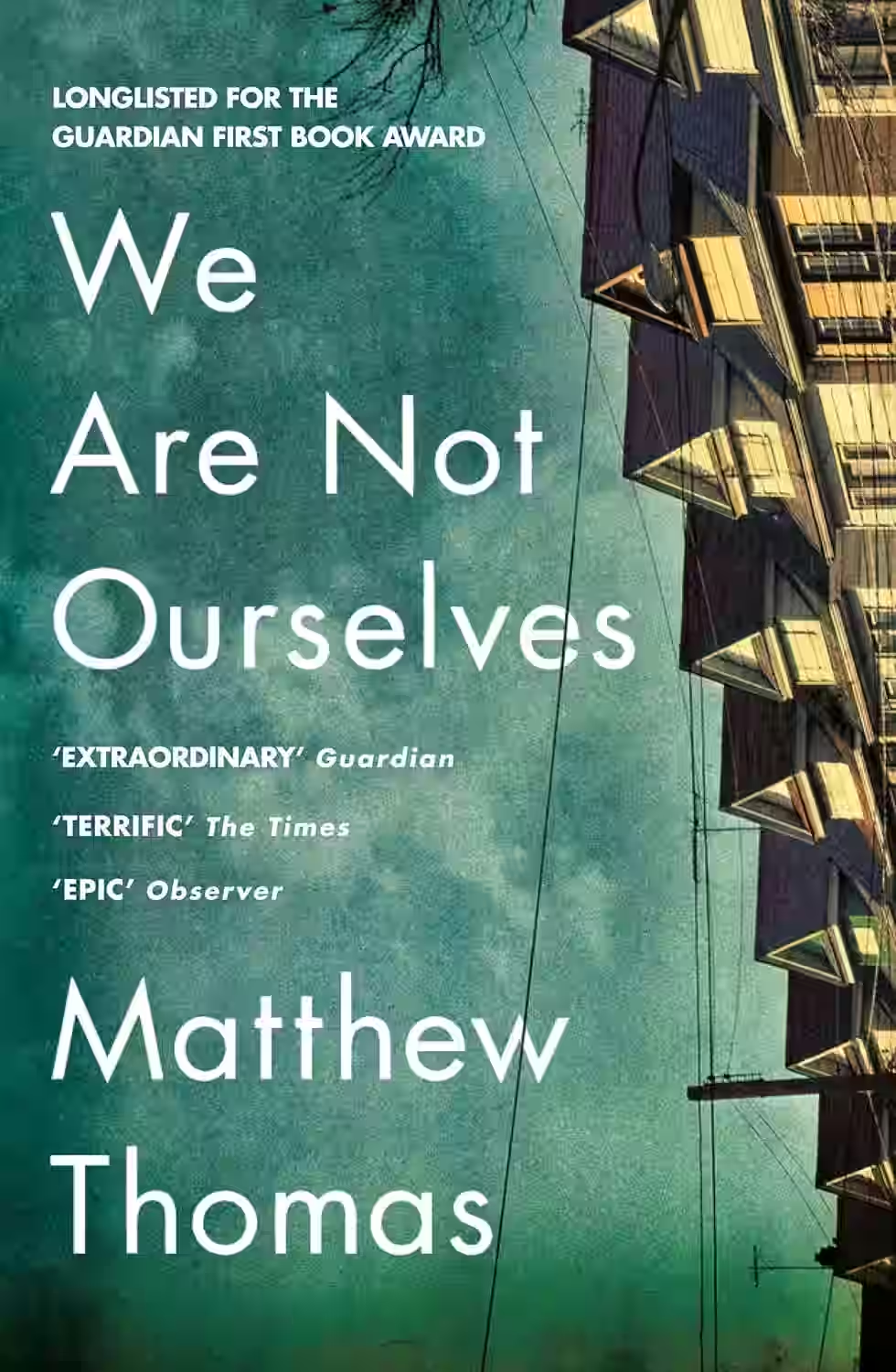
We Are Not Ourselves
Matthew Thomas's debut novel, 'We Are Not Ourselves,' intricately captures the essence of the American dream through the life of Eileen Tumulty. Set against the backdrop of post-World War II America, Eileen, the daughter of Irish immigrants, is determined to transcend her working-class upbringing. The narrative spans decades as it follows Eileen’s pursuit of success, love, stability, and ultimately, family. The novel explores themes of ambition, identity, and the relentless pursuit of a better life, while also delving into the personal struggles faced by Eileen and her family, particularly dealing with her husband's devastating illness. Thomas's rich character development and poignant storytelling resonate deeply, reflecting the complexities of human resilience and the impermanence of dreams. With its ambitious sweep and emotional depth, 'We Are Not Ourselves' is both a heartbreaking and insightful exploration of familial bonds and personal endurance.